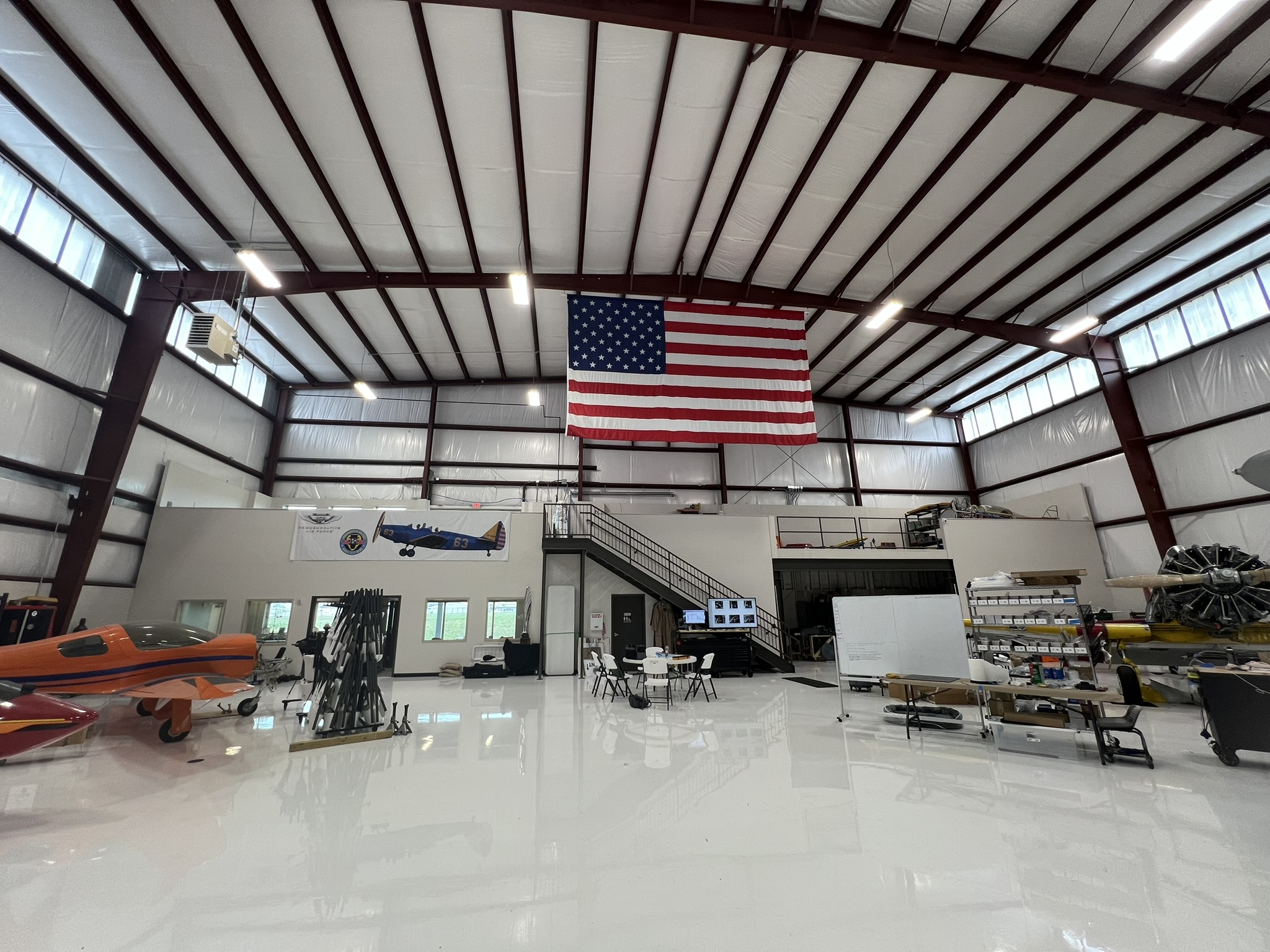
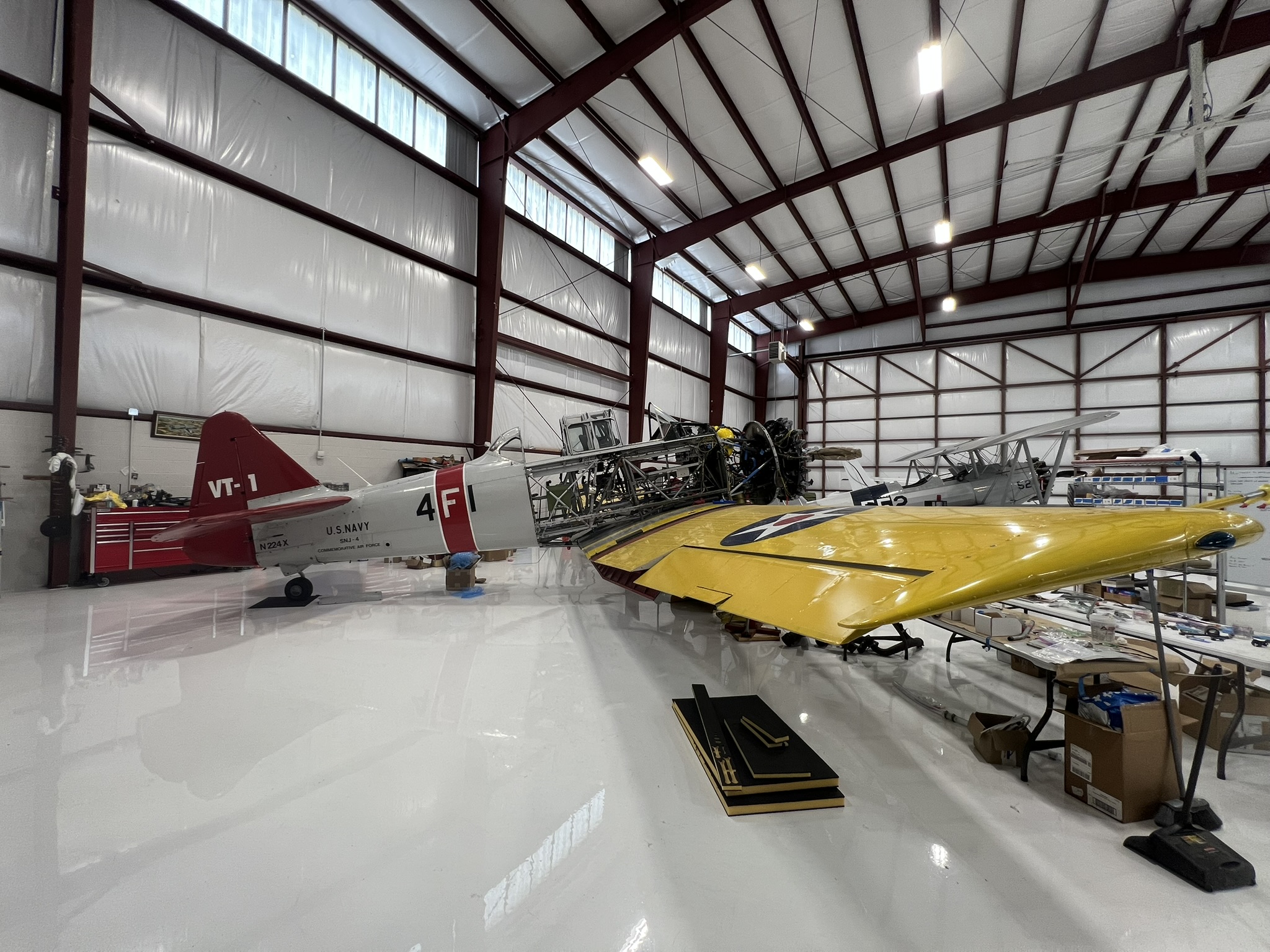
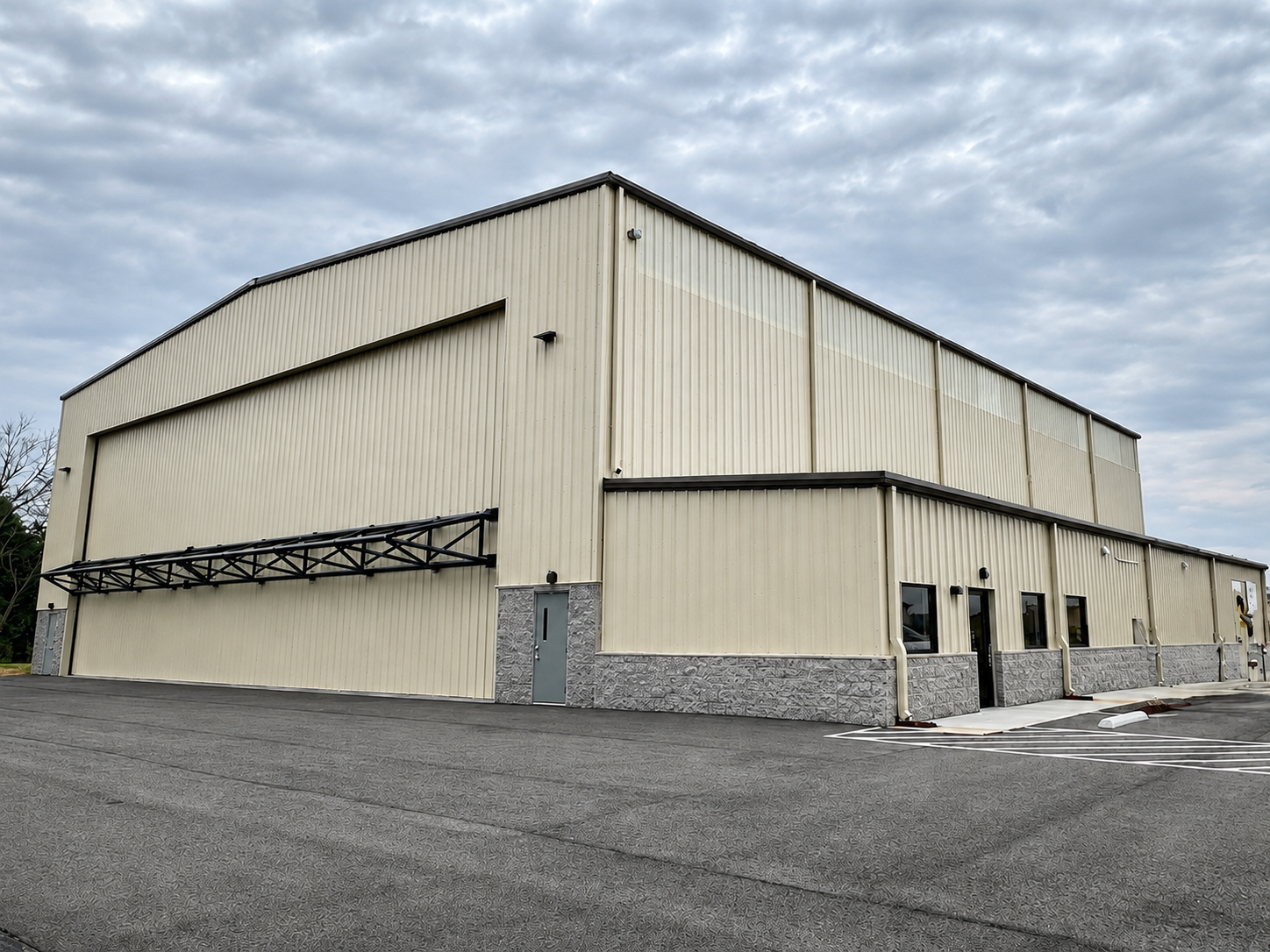
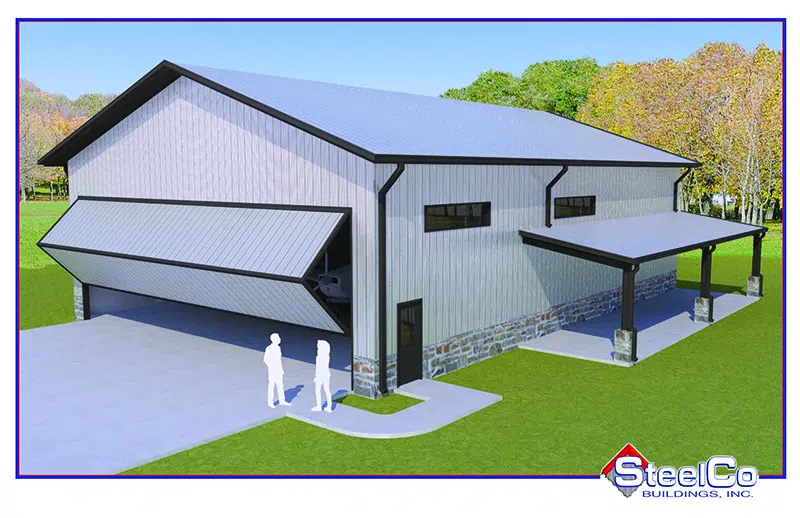
Steel aircraft hangars can be configured for different aviation facilities, with layouts, clearances, access points, and support spaces tailored to the operation. The right configuration depends on the aircraft being housed, the number of users, and the work performed inside the facility.
Private Aircraft Hangars
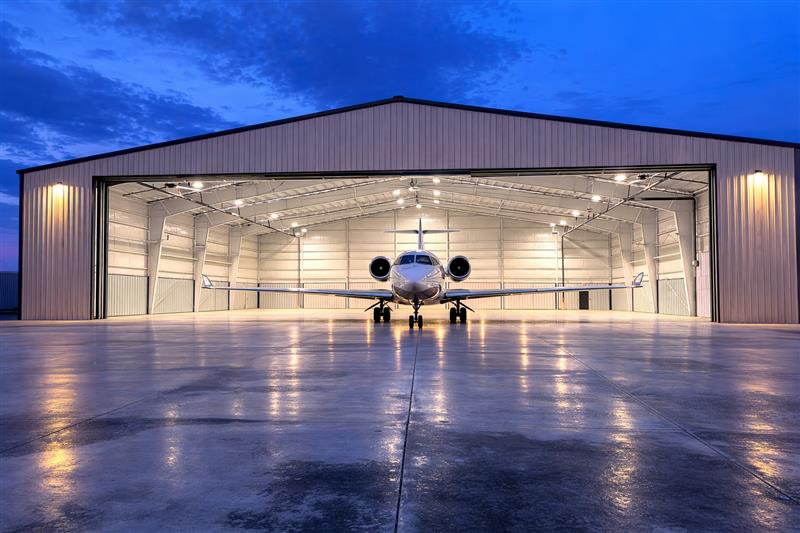
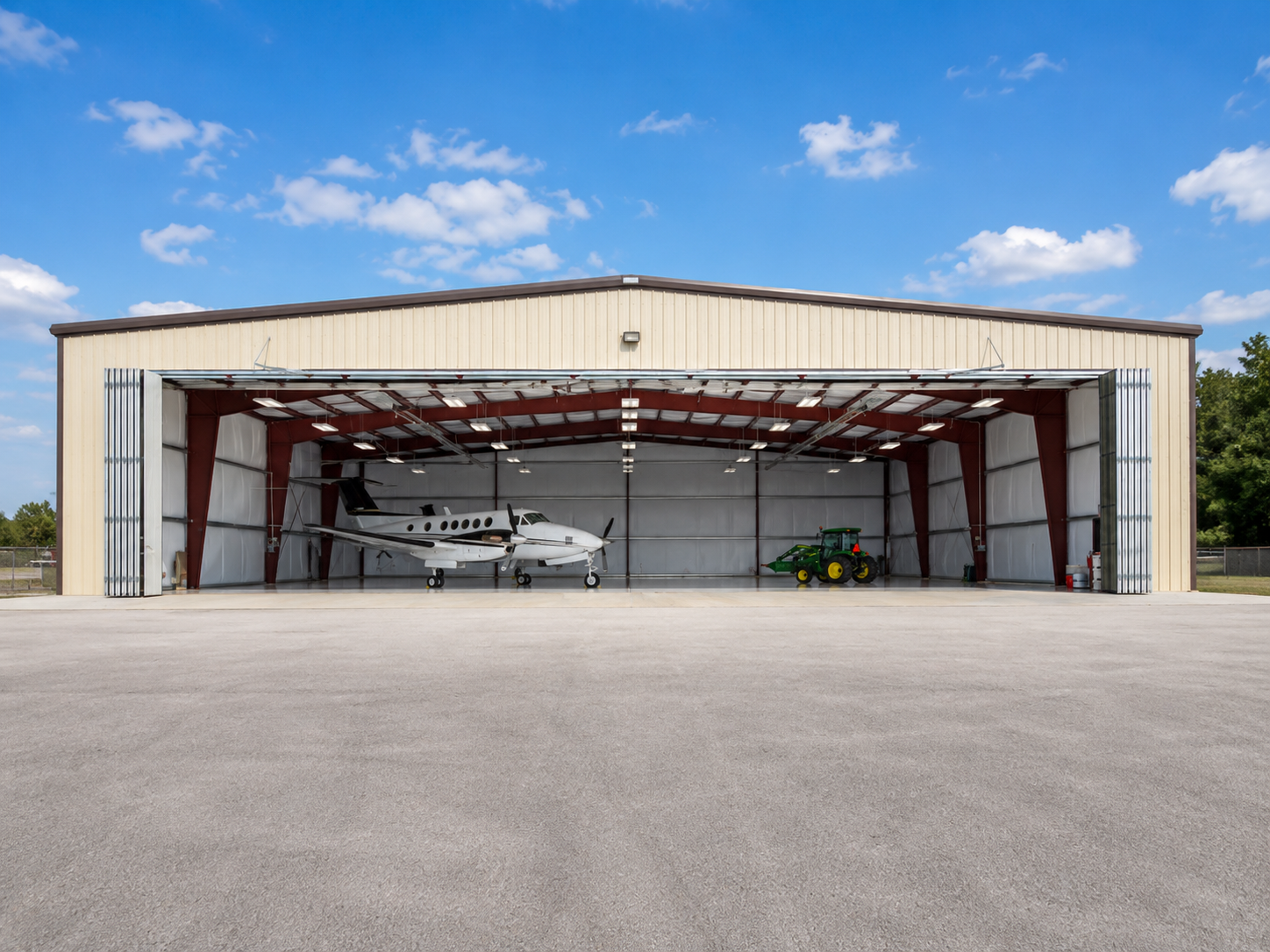
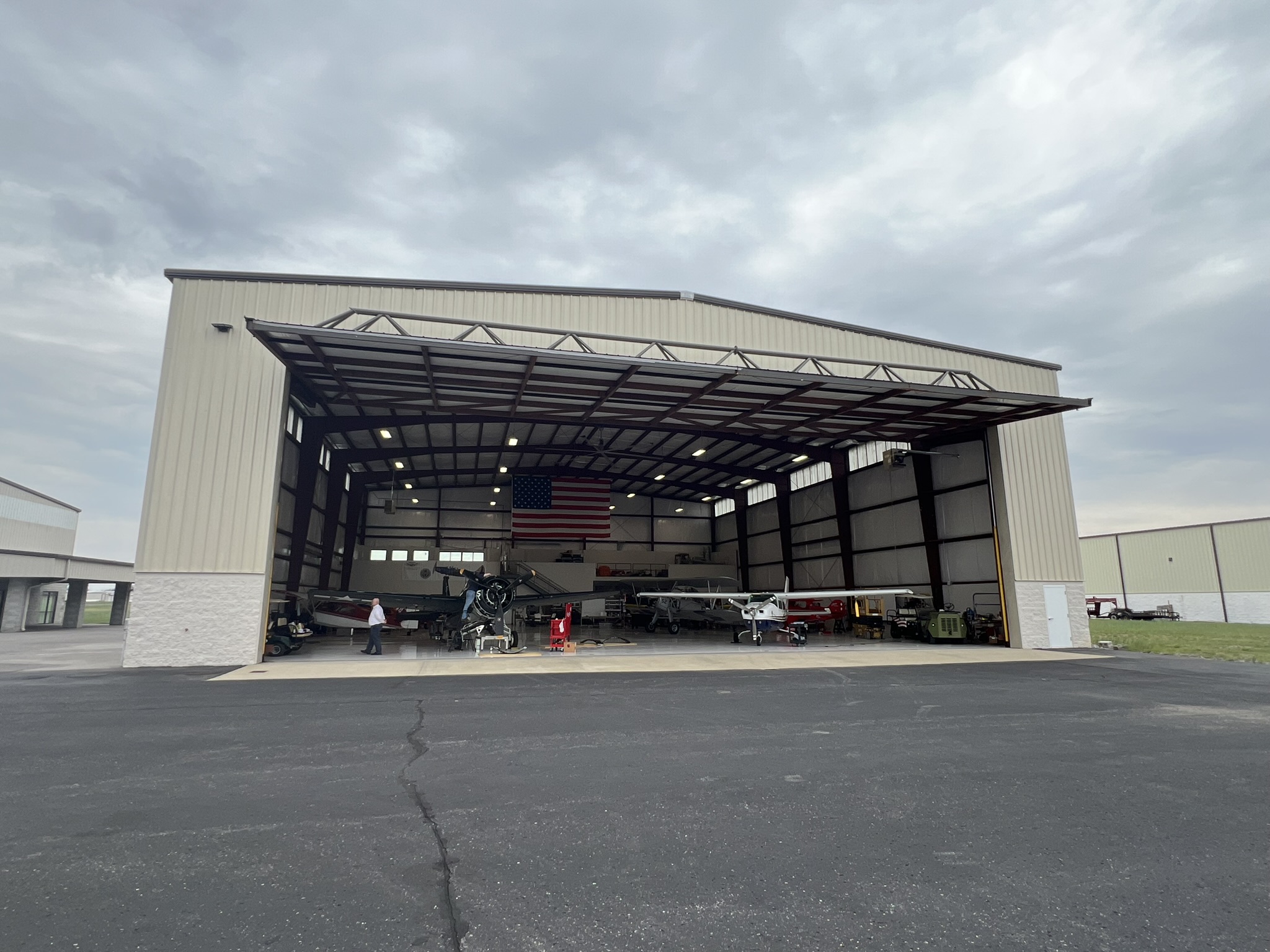
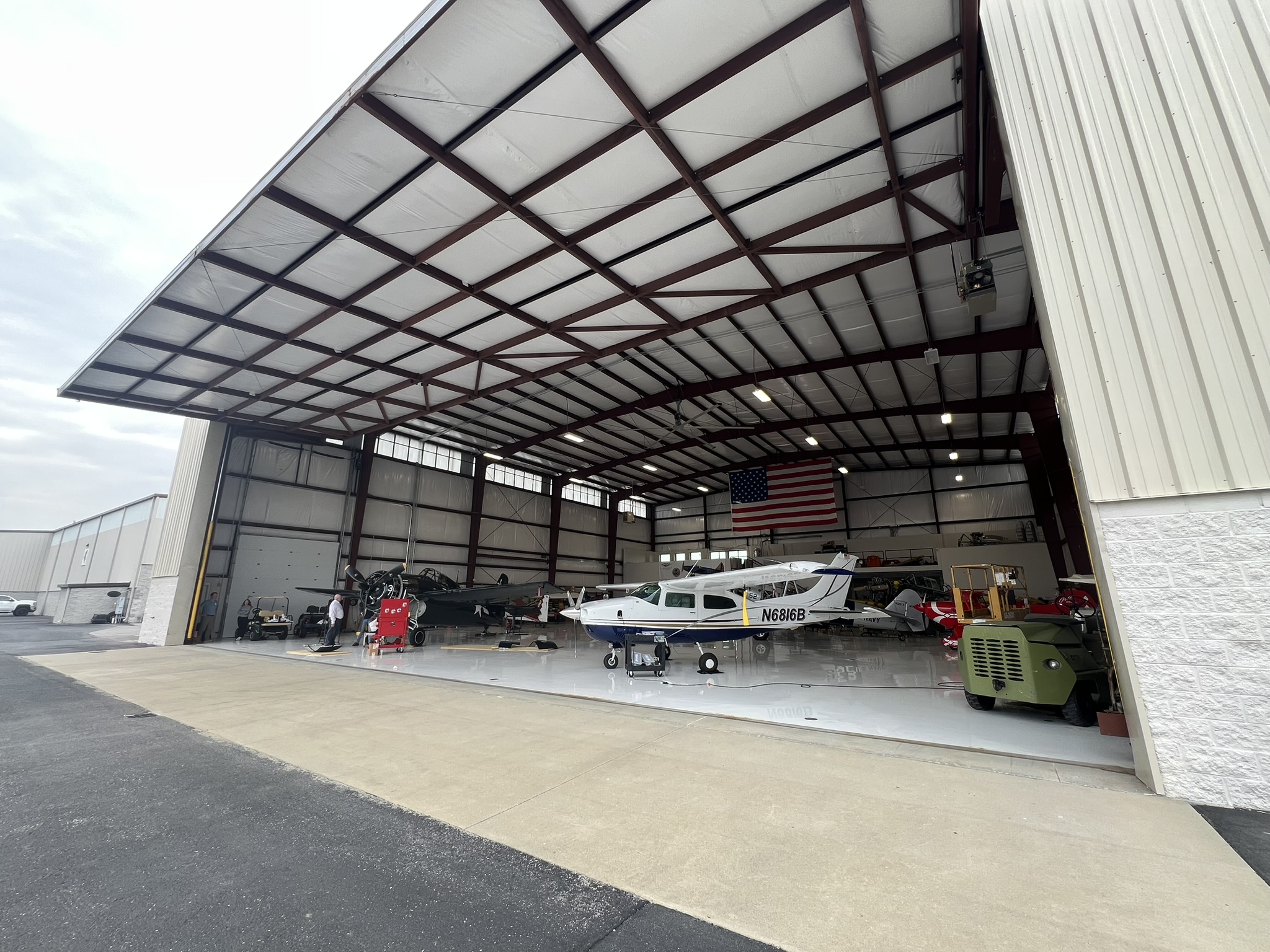
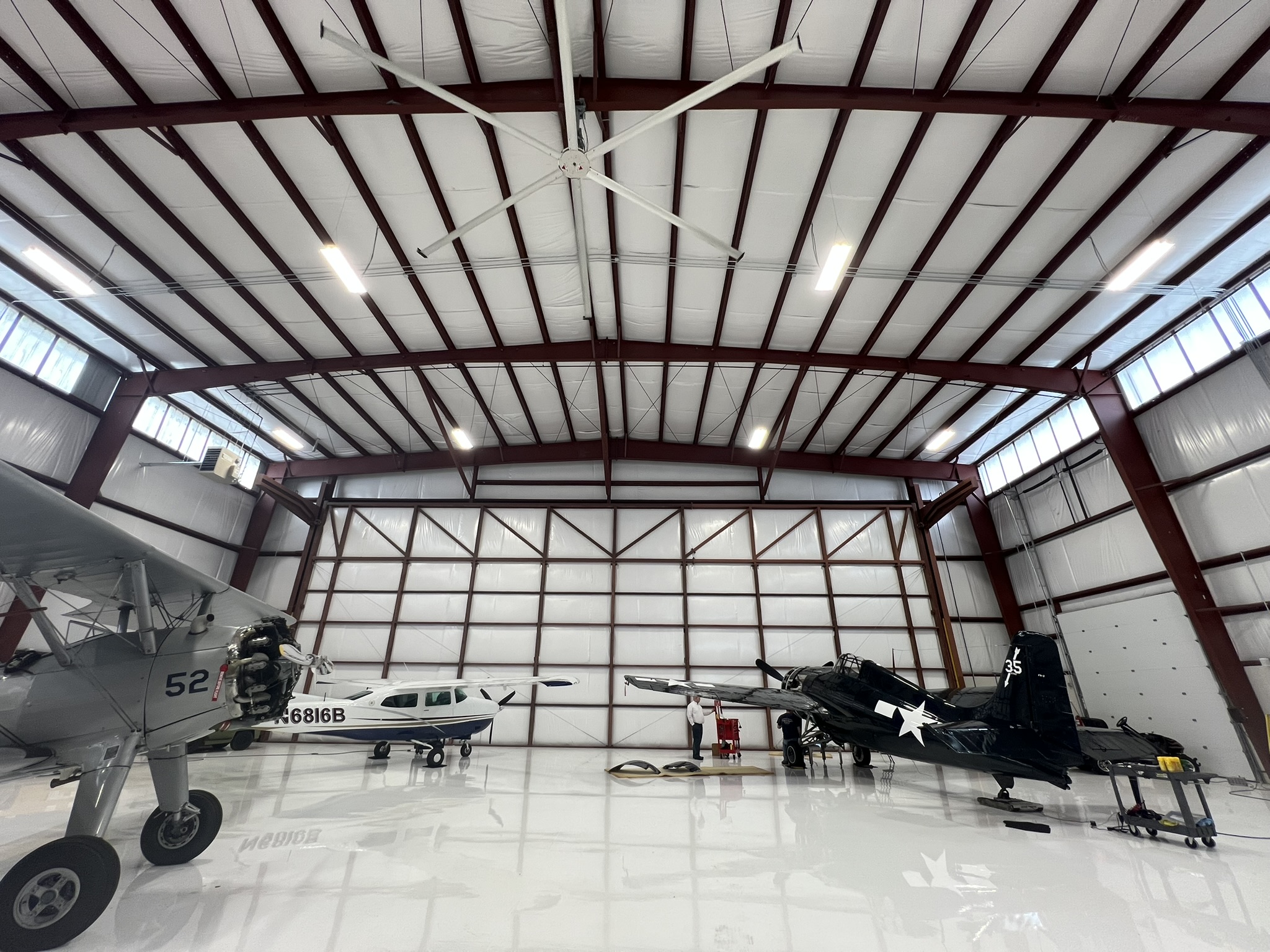
Private hangars provide secure, enclosed storage for single-engine aircraft, business jets, vintage airplanes, and personal collections. Designs can be tailored around aircraft dimensions, door clearances, storage requirements, and access needs.
Flight School Hangars
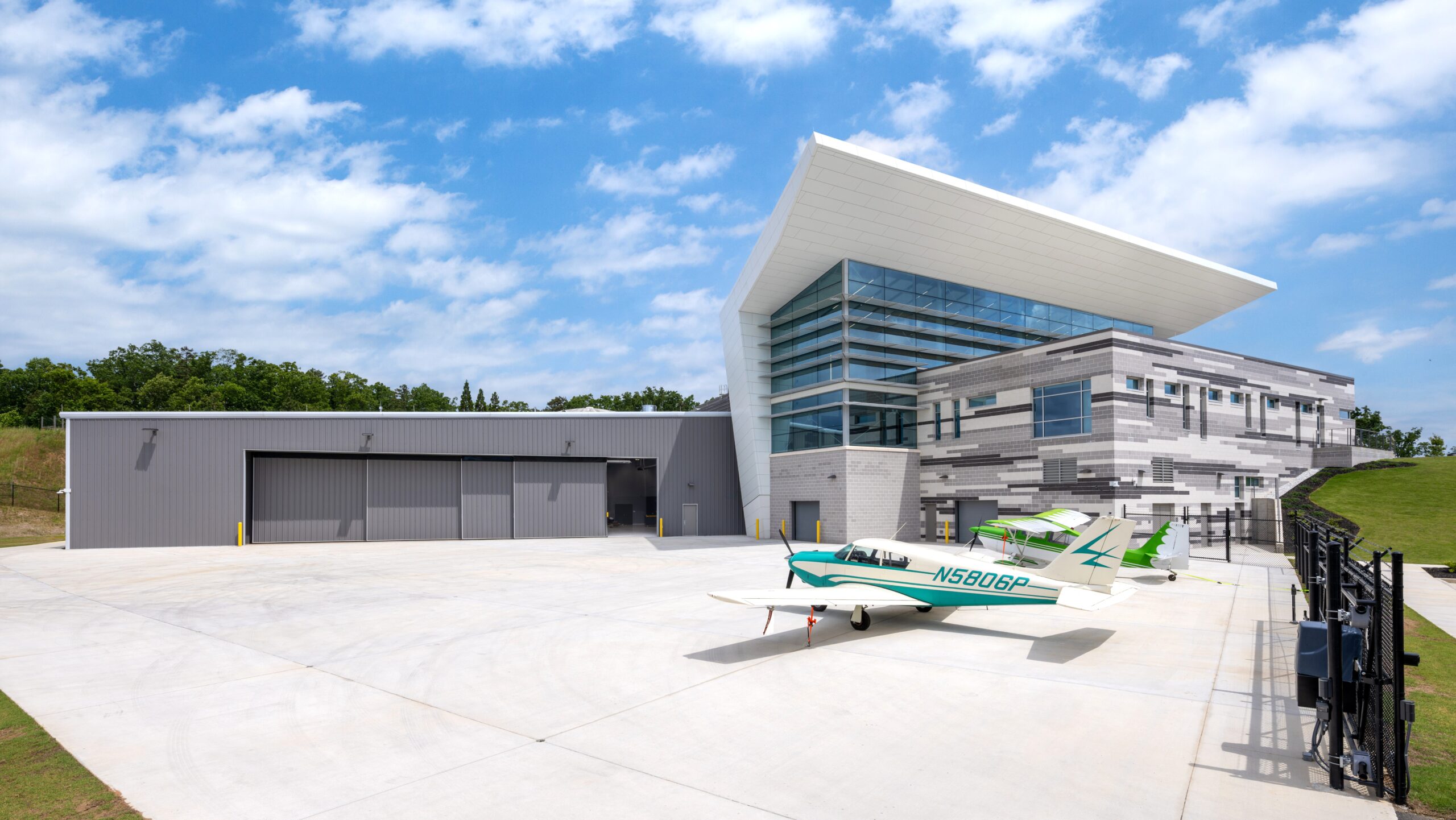
Flight training facilities may combine aircraft storage with classrooms, maintenance areas, pilot briefing rooms, and administrative offices. A well-planned layout keeps aircraft movement and day-to-day training activities organized within the facility.
Helicopter Hangars
Helicopter hangars require layouts that account for rotor clearance, aircraft access, maintenance areas, and specialized aviation equipment. Door dimensions and interior clearances should be planned around the specific helicopter models the facility will accommodate.
Multi-Unit T-Hangars
Multi-unit T-hangars create individual storage spaces for multiple aircraft owners while sharing taxiway access and other site infrastructure. These configurations can make efficient use of available airport property.
Airport Maintenance and FBO Facilities
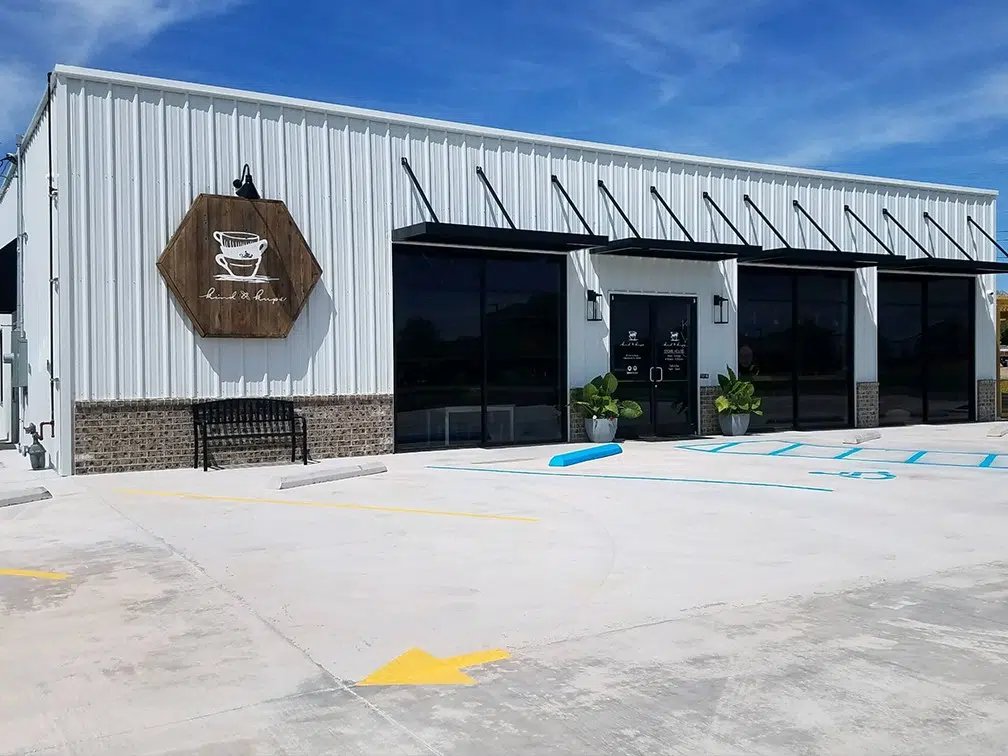
Fixed-base operators, municipal airports, and aviation maintenance providers may require larger clear-span hangars with space for maintenance equipment, service vehicles, inventory, customer areas, and offices. Larger aviation operations may also incorporate adjacent industrial buildings for warehousing, equipment storage, or maintenance operations.
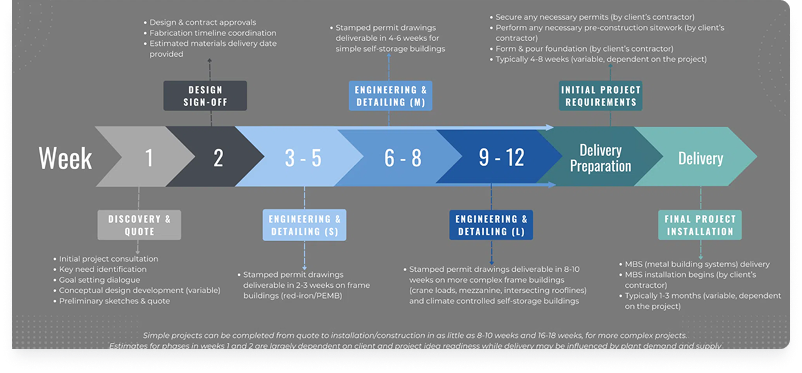
Each facility type has different space, access, and operational requirements. SteelCo can help develop an aircraft hangar configuration around the intended use, aircraft dimensions, site requirements, and future needs.