Steel Building Lifespan: How Long Do Metal Buildings Really Last?

This guide examines what determines the lifespan of a steel building, how steel compares to other construction materials, and what owners can do to maximize the return on their investment over the long term.

Intro

One of the most common questions building owners ask before investing in a metal structure is straightforward: how long will it actually last? The answer is more encouraging than most people expect. A well-designed, properly maintained steel building can remain structurally sound and fully functional for 50 to 100 years—and in many cases, significantly longer.

The lifespan of a steel building depends on several interrelated factors: the quality of materials and protective coatings, the building’s design and engineering, local environmental conditions, and the owner’s commitment to routine maintenance. Understanding how these variables work together helps owners make informed decisions during both the design phase and throughout the building’s operational life.

This guide examines what determines the lifespan of a steel building, how steel compares to other construction materials, and what owners can do to maximize the return on their investment over the long term.

Table of Contents

Intro

Average Lifespan of a Steel Building

Key Factors That Determine Steel Building Longevity

Steel vs. Wood vs. Concrete: How Lifespans Compare

Protective Coatings and Corrosion Resistance

Maintenance Practices That Extend Building Life

The Sustainability Advantage of Steel’s Long Lifespan
Conclusion

Frequently Asked Questions


Average Lifespan of a Steel Building

According to the Metal Building Manufacturers Association (MBMA), metal buildings can last 6 decades or more—longer than most buildings constructed using other common building systems. Many pre-engineered structures remain fully operational well past the century mark when maintenance programs are followed consistently.


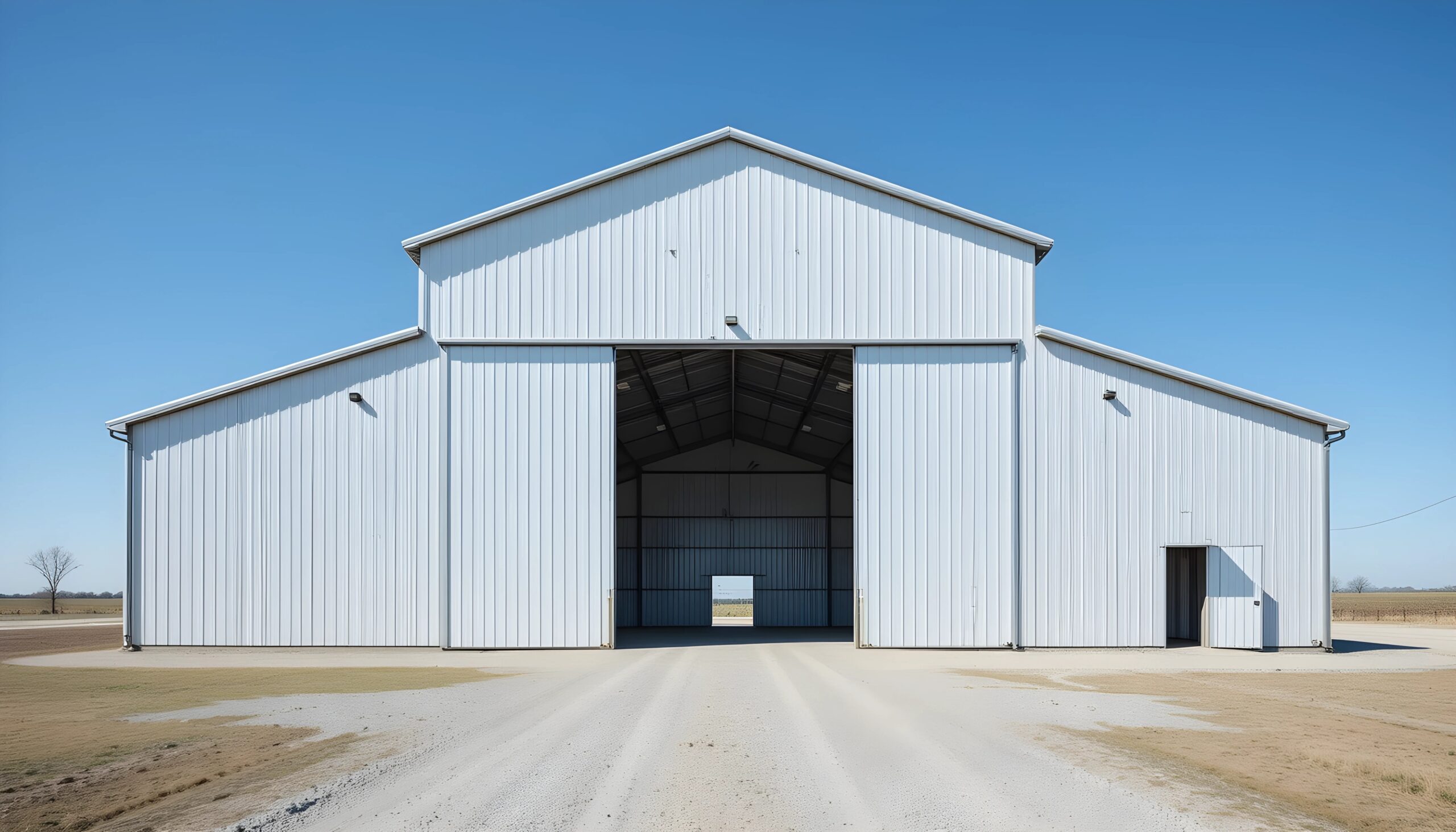
Large white metal barn with a wide open central entrance and a smaller side door, standing on a dirt road under a clear blue sky in a rural landscape.

Key Factors That Determine Steel Building Longevity

Several variables determine where a given steel building falls on the 50-to-100-year lifespan spectrum—or whether it exceeds that range entirely.

Material Quality and Steel Grade

Not all steel is created equal. Higher-grade structural steel with appropriate yield strength provides better resistance to fatigue and deformation over decades of service. Pre-engineered metal buildings from reputable manufacturers typically use ASTM A572 Grade 50 steel for primary framing, which offers an optimal balance of strength, weldability, and long-term durability. The quality of secondary components—purlins, girts, panels, and fasteners—matters just as much for overall building longevity.

Design and Engineering

A steel building engineered to the correct design loads—wind, snow, seismic, and live loads per ASCE 7 and local building codes—will perform within safe stress ranges throughout its service life. Underengineered buildings experience premature fatigue, connection failures, and envelope damage. Overengineered buildings waste money upfront but rarely fail. The right approach is precise engineering that accounts for actual site conditions. Understanding the difference between PEB and conventional steel structures helps owners select the right system for their specific application and environment.

Environmental Exposure

Geographic location and environmental conditions have a direct impact on steel building lifespan. Coastal locations with salt air exposure accelerate corrosion. Industrial environments with chemical exposure can degrade protective coatings faster. Regions with extreme temperature swings cause thermal expansion and contraction that stress connections and sealants over time. Buildings in dry, temperate climates with minimal industrial pollution typically enjoy the longest service lives.

Foundation Quality

The foundation is the most permanent component of any steel building, and its quality directly affects the structure above. Properly designed concrete foundations with adequate depth, reinforcement, and drainage prevent settlement, cracking, and moisture intrusion—all of which can compromise the steel superstructure over time. A thorough preconstruction checklist ensures foundation design accounts for soil conditions, frost depth, and drainage requirements.


Steel vs. Wood vs. Concrete: How Lifespans Compare

When comparing construction materials for commercial buildings, steel consistently delivers one of the longest and most predictable service lives.

Steel buildings (50–100+ years): Steel’s primary structural advantage is its resistance to the biological and environmental factors that degrade other materials. Steel doesn’t rot, warp, split, or attract termites. It’s non-combustible, dimensionally stable, and maintains its structural properties indefinitely when protected from corrosion. According to BuildSteel.org, well-maintained steel buildings routinely outlast structures built with wood or concrete.

Wood buildings (20–40 years): Wood frame buildings are susceptible to moisture damage, termite infestation, mold growth, warping, and fire. Even treated lumber degrades over time when exposed to humidity and temperature cycles. Most wood-frame commercial buildings require significant structural maintenance or renovation within 20–30 years. According to NIST, steel buildings last decades longer than wood structures, which typically show serious wear within two to three decades.

Concrete buildings (75–100+ years): Reinforced concrete is highly durable, but it’s not immune to degradation. Concrete can crack due to thermal cycling, freeze-thaw exposure, and carbonation—a chemical process that gradually reduces the concrete’s ability to protect its internal reinforcing steel from corrosion. Concrete structures also cost more to modify, expand, or demolish at end of life.

For most commercial applications, steel offers the best combination of longevity, adaptability, and lifecycle cost efficiency. Steel buildings can be expanded, reconfigured, and recladded far more easily than concrete structures, effectively extending their functional life by adapting to new uses over time.


Protective Coatings and Corrosion Resistance

Corrosion is the single biggest threat to steel building longevity. Fortunately, modern protective coating systems have made corrosion a manageable risk rather than an inevitability.

Hot-Dip Galvanizing: Galvanizing applies a zinc coating to steel through immersion in molten zinc. The zinc provides both barrier protection and cathodic (sacrificial) protection, meaning the zinc corrodes preferentially before the underlying steel is affected. According to the American Galvanizers Association, galvanized steel in a suburban environment has a time-to-first-maintenance of 97 years—meaning the galvanized coating protects the steel for nearly a century before any maintenance is needed. Even in harsh industrial or marine environments, galvanized steel achieves 72–78 years before first maintenance.

Galvalume Coatings: Galvalume is a 55% aluminum, 43.5% zinc, and 1.5% silicon alloy coating commonly used on metal roof and wall panels. It offers excellent corrosion resistance and heat reflectivity, with typical service lives of 40–60 years in most environments. Most metal building panel manufacturers offer 25- to 40-year Galvalume warranties.

Paint Systems: Factory-applied paint systems—typically PVDF (Kynar) or SMP (Silicone Modified Polyester)—add both aesthetic value and an additional corrosion barrier. PVDF coatings resist UV degradation, chalking, and fading for 30+ years. SMP coatings are more economical with 15–20 year performance. Panel color also matters: lighter colors reflect more UV radiation and tend to maintain their appearance longer.

Fastener Protection: Fasteners are often the first components to show corrosion because they penetrate the protective envelope. High-quality stainless steel or mechanically galvanized fasteners with EPDM rubber washers significantly extend fastener life and prevent water intrusion at penetration points.


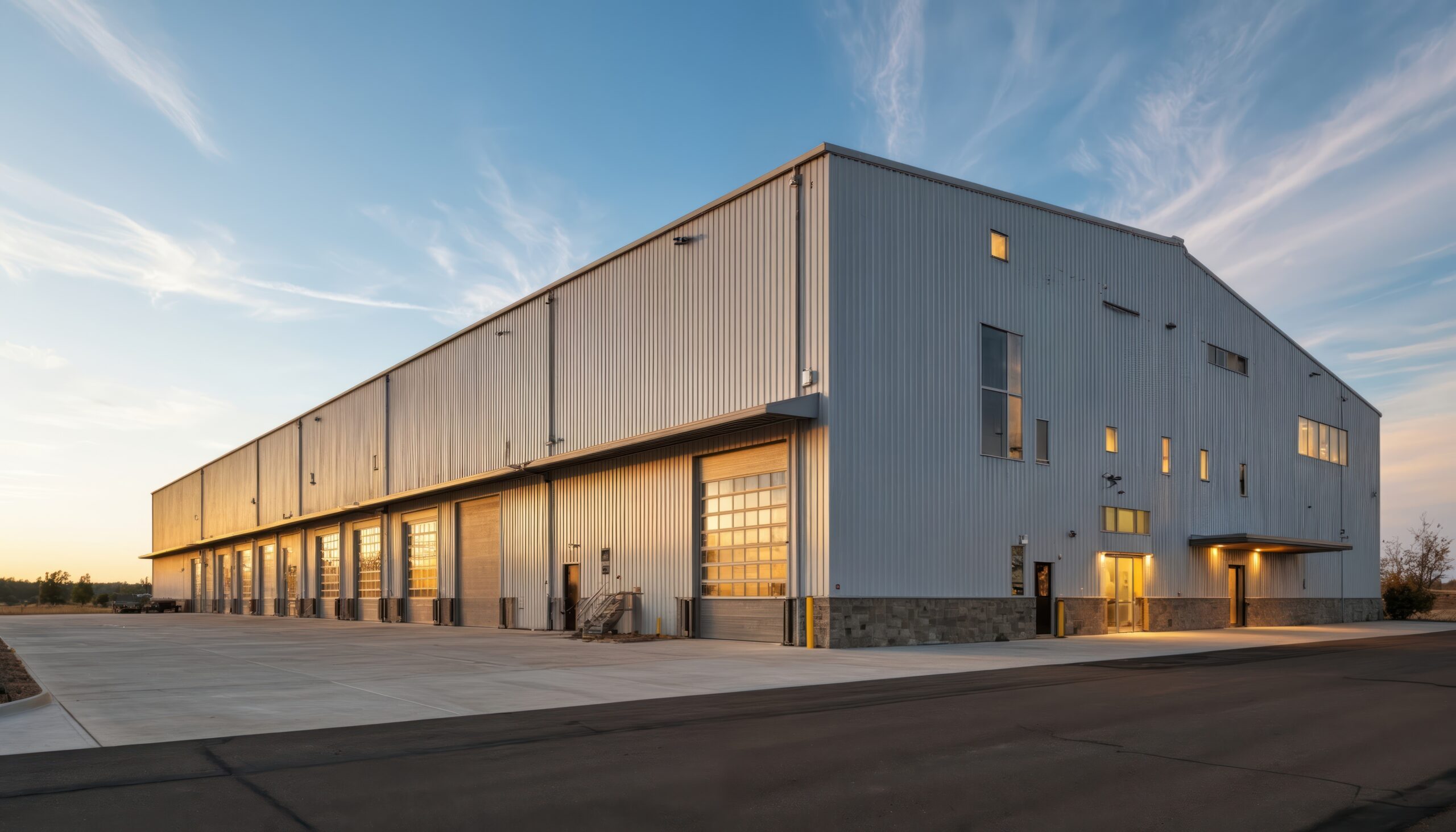
Modern industrial warehouse exterior with corrugated metal siding, multiple garage doors. Features clean, spacious design under bright sky, suitable for storage, manufacturing, logistics operations.

Maintenance Practices That Extend Building Life

Even the best-designed and best-protected steel building needs routine maintenance to achieve its full lifespan potential. The good news is that steel building maintenance is relatively simple and inexpensive compared to wood or masonry structures.

Industry experts recommend the following maintenance schedule:

Biannual inspections: Conduct thorough visual inspections at least twice per year and after major weather events. Look for signs of rust or corrosion on panels, trim, and fasteners; roof panel damage or displaced flashings; gutter and downspout blockages; sealant deterioration around doors, windows, and penetrations; and foundation cracks or settlement.

Roof maintenance: Keep the roof clear of debris, standing water, and organic material that can trap moisture. Check for loose or missing fasteners, and replace deteriorated sealants promptly. A neglected roof is the most common path to accelerated building deterioration.

Gutter and drainage systems: Ensure gutters and downspouts are clear and directing water away from the foundation. Pooling water at the building perimeter accelerates foundation erosion and creates conditions for corrosion at the wall base.

Touch-up painting: Address any scratches, chips, or worn spots in the paint system promptly. Exposed steel surfaces can begin to corrode within months in humid or coastal environments. A small touch-up now prevents a major panel replacement later.

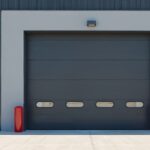
Door and hardware maintenance: Overhead doors, walk doors, and their hardware are high-use components that wear faster than the building envelope. Lubricate tracks and hinges, replace worn seals, and adjust closers as needed to maintain weather tightness.

Understanding the full picture of metal building costs includes planning for lifecycle maintenance—a relatively small ongoing investment that protects the much larger investment in the building itself.


The Sustainability Advantage of Steel’s Long Lifespan
Steel’s longevity isn’t just a financial advantage—it’s an environmental one. A building that lasts 50–100 years produces far less construction waste over its lifecycle than one that needs to be rebuilt every 20–30 years.

Steel is also the most recycled construction material in the world. According to the American Iron and Steel Institute, 92% of structural steel in North America is recycled each year—more than paper, aluminum, plastic, and glass combined. When a steel building eventually reaches end of life, virtually every component of the steel frame can be recycled into new steel products without any loss of material properties.

Recycling steel through electric arc furnaces produces approximately 0.67 tonnes of CO₂ per ton of steel—about 71% less than traditional blast furnace methods. Using scrap steel reduces energy consumption by up to 60% compared to producing steel from raw ore. The building and construction sector held a 37.5% share of the global recycled metal market in 2024, valued at approximately $46 billion, according to Grand View Research.

This combination of longevity and recyclability makes steel one of the most sustainable structural materials available for commercial construction. As building codes and ESG requirements increasingly emphasize lifecycle environmental impact, the long lifespan of a steel building becomes an even more compelling advantage.


Conclusion

The lifespan of a steel building is not a fixed number—it’s an outcome shaped by the decisions made during design, construction, and ownership. With the right materials, proper engineering, quality protective coatings, and a straightforward maintenance routine, a steel building can serve its owner for 50 to 100 years or more.

Compared to wood and concrete, steel offers a unique combination of durability, adaptability, and end-of-life recyclability that makes it the most lifecycle-efficient structural material for commercial construction. For owners weighing long-term building costs, the 2025 steel tariffs and rising metal building costs shouldn’t overshadow the decades of reliable service a well-built steel structure delivers. To explore how these considerations apply to your next project, SteelCo’s comprehensive metal building cost guide provides a detailed breakdown of what drives pricing and value.


Frequently Asked Questions

Q: How long does a steel building last?

A: A properly constructed and maintained steel building typically lasts 50 to 100 years. With high-quality materials, protective coatings, and consistent maintenance, many steel buildings remain fully functional well beyond 100 years. The structural steel frame itself can last indefinitely if protected from corrosion.

Q: What affects the lifespan of a metal building?

A: The main factors are material quality, design and engineering, protective coatings, environmental exposure (coastal, industrial, or temperate), foundation quality, and the owner’s maintenance practices. Buildings in dry, mild climates with regular maintenance achieve the longest service lives.

Q: Do steel buildings last longer than wood buildings?

A: Yes, significantly. Steel buildings typically last 50–100+ years, while wood frame buildings show serious structural wear within 20–40 years. Steel is immune to termites, rot, mold, and warping—the primary factors that degrade wood structures.

Q: How does galvanizing protect a steel building?

A: Hot-dip galvanizing applies a zinc coating to steel that provides both barrier and sacrificial corrosion protection. In suburban environments, galvanized steel can last up to 97 years before first maintenance is needed. Even in harsh coastal or industrial settings, galvanized steel achieves 72–78 years of protection.

Q: What maintenance does a steel building need?

A: Steel buildings require biannual visual inspections, roof debris removal, gutter cleaning, sealant replacement, and prompt touch-up painting of any exposed steel surfaces. This routine maintenance is simple and far less costly than the maintenance demands of wood or masonry buildings.

Q: Are steel buildings recyclable?

A: Yes. Steel is the most recycled construction material in the world. In North America, 92% of structural steel is recycled annually. When a steel building reaches end of life, virtually every component of the frame can be recycled into new steel products without loss of material properties.

Q: Is a steel building a good long-term investment?

A: Yes. When you factor in the 50–100+ year lifespan, low maintenance costs, energy efficiency potential, adaptability for reuse or expansion, and full recyclability at end of life, steel buildings offer one of the best lifecycle cost profiles of any commercial construction type.


Copy Link