Agricultural Metal Buildings: Uses, Design Options, and Cost Factors

In this comprehensive guide, we'll explore the primary uses for metal agricultural buildings, the design options that make them versatile, how they compare to traditional construction methods, and the cost factors you need to understand.

Intro

Metal agricultural buildings have become the backbone of modern farming operations across the United States. Whether you’re managing a small family farm or operating a large-scale agricultural enterprise, metal agricultural buildings offer a durable, cost-effective solution for protecting equipment, livestock, and harvested crops. From equipment storage facilities to climate-controlled livestock shelters, these structures provide the versatility that today’s farmers need to optimize productivity and protect their investments.

What sets metal agricultural buildings apart from traditional wood structures is their superior durability, minimal maintenance requirements, and impressive lifespan. A well-designed metal building can protect your agricultural assets for 40+ years with routine maintenance, significantly outperforming conventional pole barns and wood-frame construction. Additionally, metal building costs are increasingly competitive, making them an attractive option for farmers at every scale.

In this comprehensive guide, we’ll explore the primary uses for metal agricultural buildings, the design options that make them versatile, how they compare to traditional construction methods, and the cost factors you need to understand. Whether you’re planning your first farm building or expanding an existing operation, this guide will help you make an informed decision. At SteelCo, we specialize in custom metal building solutions tailored to agricultural operations of all sizes.

Table of Contents

Intro

Common Uses for Metal Agricultural Buildings

Design Options That Make Agricultural Steel Buildings Versatile

Metal Agricultural Buildings vs. Traditional Pole Barns and Wood Structures

Cost Factors for Metal Agricultural Buildings

Financing and USDA Programs for Farm Buildings

Choosing the Right Partner for Your Agricultural Building Project

Conclusion

Frequently Asked Questions


Common Uses for Metal Agricultural Buildings

Metal agricultural buildings serve a wide range of purposes on modern farms. The most common application is equipment storage—protecting valuable tractors, combines, hay equipment, and other machinery from weather damage and corrosion. A typical 40×60 structure provides ample space for most farm operations, and according to HomeAdvisor, a typical 40×60 steel barn ranges from $36,000–$60,000 for the kit or $60,000–$132,000 fully installed, making it an economical choice compared to traditional alternatives.

Beyond equipment storage, metal agricultural buildings are ideal for livestock shelters. Cattle, horses, sheep, and poultry operations rely on these structures for protection and climate management. The clear-span design of most metal buildings allows farmers to create flexible interior layouts without supporting columns that would interfere with animal movement or equipment operation. Hay storage facilities represent another critical use case—these structures must protect valuable forage from moisture and UV degradation while allowing for proper ventilation to prevent mold.

Agricultural metal buildings also function as workshops, feed processing centers, grain storage facilities, and even agritourism venues. The versatility of these structures means that as your operation evolves, your building can adapt to new purposes. This flexibility is one reason why farmers increasingly choose metal over traditional wooden structures—a well-designed metal building grows with your farm.


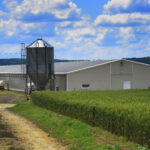
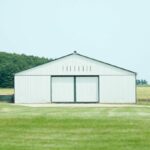
white Metal Building exterior on farm

Design Options That Make Agricultural Steel Buildings Versatile

One of the greatest advantages of metal agricultural buildings is their design flexibility. Clear-span frame construction eliminates interior support columns, providing an open, obstruction-free interior that maximizes usable space. This is particularly important for equipment storage, where large machinery needs to move freely, and for livestock operations, where animal welfare depends on proper circulation and ventilation.

Ventilation options are crucial for agricultural operations. Metal buildings can incorporate ridge vents, soffit vents, and wind-powered turbine ventilation systems to ensure proper air exchange—essential for livestock health and hay preservation. Insulation options vary from simple condensation control blankets to full thermal insulation with vapor barriers, allowing you to create climate-controlled environments when necessary. For operations storing temperature-sensitive crops or maintaining livestock comfort, these insulation choices make agricultural steel buildings adaptable to any climate or season.

Door systems also contribute significantly to functionality. Wide sliding doors accommodate large equipment, while personnel doors provide convenient access. Roll-up overhead doors, bifold doors, and multiple door configurations allow farmers to customize entry points for different operational needs. Additionally, lean-to additions can extend metal buildings, creating covered work areas or additional storage without requiring a separate structure.


Metal Agricultural Buildings vs. Traditional Pole Barns and Wood Structures

The construction industry has witnessed a significant shift toward metal buildings in recent years. According to NAIOP, more than 60% of new industrial construction in 2024 focused on buildings under 500,000 sq ft—many of these are agricultural metal buildings serving small and mid-size farming operations. This trend reflects the clear advantages metal construction offers over traditional pole barns.

Durability is the primary differentiator. While wooden pole barns require regular maintenance, painting, and inspection for rot and pest damage, metal agricultural buildings resist decay, termites, and weather-related deterioration. The galvanized steel used in quality metal buildings provides decades of corrosion protection without the upkeep wooden structures demand. Furthermore, metal buildings offer superior fire resistance—a critical advantage for facilities storing hay, grain, or other flammable agricultural products.

Lifespan represents another significant advantage. A properly maintained metal building can serve for 40-50 years or more, while wooden structures typically last 20-30 years. This extended lifespan provides better long-term value despite initial cost considerations. Additionally, metal agricultural buildings can often be expanded or relocated more easily than wooden structures, providing adaptability as agricultural operations grow or change.


Cost Factors for Metal Agricultural Buildings

Understanding the cost structure for metal agricultural buildings is essential for budgeting and planning your project. According to Angi, steel agricultural buildings cost $15–$25 per square foot for materials, with installation adding $10–$30 per square foot. This means a 40×60 building (2,400 sq ft) could range from $60,000 to $132,000 depending on design and location factors.

Size is the most direct cost factor—larger buildings spread fixed costs across more square footage, potentially lowering per-square-foot pricing. However, additional accessories significantly impact total cost. Ventilation systems, insulation, specialized door packages, lean-to additions, and customized interior partitions all add to the base price. Site preparation costs should not be overlooked; proper foundation work, site grading, and drainage are essential for long-term building performance and cost durability.

Regional labor costs vary considerably across agricultural regions, affecting installation expenses. Remote areas may face higher labor costs due to travel requirements, while established agricultural centers may offer competitive pricing due to contractor competition. Understanding your steel building costs helps you make informed decisions about which features provide the best return on investment for your operation.


Financing and USDA Programs for Farm Buildings

The United States Department of Agriculture offers several financing options and cost-share programs to help farmers invest in agricultural infrastructure. The Farm Service Agency (FSA) provides farm loans specifically designed to support agricultural operations, including funding for building projects. These loans often feature favorable terms compared to conventional financing, making them an important resource for farmers planning capital improvements.

Beyond FSA loans, various conservation and cost-share programs can offset building costs. Environmental quality incentives programs (EQIP) and other conservation initiatives may provide funding for agricultural buildings that incorporate sustainable practices. According to the USDA NASS 2022 Census of Agriculture, 1.9 million U.S. farms covering 880 million acres produced $543 billion in agricultural products, demonstrating agriculture’s critical importance to the economy and justifying government support for farm infrastructure improvements.

Farmers should explore both FSA lending options and available cost-share programs specific to their region and operation type. Many states offer additional agricultural building grants and incentives. Consulting with your local FSA office can help identify programs that reduce your net cost for metal agricultural buildings.


Aerial view of a modern agricultural complex with long farm buildings.

Choosing the Right Partner for Your Agricultural Building Project

Selecting the right builder or manufacturer is crucial for project success. Your partner should understand agricultural operations and the specific requirements of your farming enterprise. Whether you need climate control for livestock, specialized ventilation for hay storage, or heavy-duty equipment access, your builder should have proven experience delivering agricultural metal buildings with the features your operation demands.

Request references from other agricultural clients and examine case studies of completed projects. Quality builders will discuss foundation requirements, local building codes, and weather considerations specific to your region. They should offer transparent pricing, flexible customization options, and clear timelines. Reputable companies stand behind their work with comprehensive warranties and ongoing customer support.

At SteelCo, we specialize in steel building design tailored to agricultural needs. Our team works with farmers to understand their current requirements and future growth plans, ensuring your metal building investment provides lasting value. From initial consultation through construction and beyond, we’re committed to delivering agricultural metal buildings that exceed expectations.


Conclusion

Metal agricultural buildings represent a modern, durable, and cost-effective solution for protecting farm assets and supporting agricultural operations. Whether you’re building equipment storage, livestock facilities, or specialized agricultural structures, metal construction delivers superior longevity, minimal maintenance, and design flexibility compared to traditional alternatives. The investment in a quality metal building pays dividends over decades through reduced maintenance costs, lower insurance premiums, and adaptability as your operation evolves.

Ready to explore how agricultural steel buildings can improve your operation? Contact SteelCo Buildings today to discuss your project requirements and discover types of construction projects we specialize in. Our agricultural metal building experts are ready to provide customized quotes, design recommendations, and construction timelines. From initial planning through completion, we’ll ensure your new metal building meets your agricultural needs and budget.


Frequently Asked Questions

Q: How long do metal agricultural buildings last?

A: Quality metal agricultural buildings typically last 40-50 years or longer with routine maintenance. The galvanized steel exterior resists rust and corrosion, while the structural integrity remains sound through proper care and inspections.

Q: Are metal buildings suitable for all types of livestock?

A: Yes, metal buildings can house cattle, horses, sheep, poultry, and other livestock. The key is proper ventilation, insulation, and interior configuration. Consult with your builder to ensure your building design meets the specific needs of your livestock operation.

Q: What’s the difference between metal buildings and pole barns?

A: Metal buildings use steel frames with metal siding and roofing, offering superior durability and fire resistance. Pole barns use wooden posts and often wooden siding. Metal buildings typically last longer, require less maintenance, and better withstand extreme weather.

Q: Can metal buildings be customized for specific agricultural needs?

A: Absolutely. Metal agricultural buildings offer extensive customization options including clear-span designs, multiple door configurations, ventilation systems, insulation, lean-to additions, and interior layouts tailored to your operation.

Q: What are the main cost factors for metal agricultural buildings?

A: Primary factors include building size, design complexity, accessories (ventilation, insulation, doors), site preparation requirements, regional labor costs, and foundation needs. Costs typically range from $15-30 per square foot for complete installation.

Q: Are there government programs to help finance farm buildings?

A: Yes, the USDA Farm Service Agency offers loans and cost-share programs for agricultural infrastructure. Additionally, conservation programs and state-specific incentives may offset building costs. Contact your local FSA office for details.

Q: How quickly can a metal agricultural building be constructed?

A: Most metal buildings can be erected in weeks to a few months, depending on size and complexity. Once foundation work is complete, steel frame assembly typically proceeds quickly, significantly faster than traditional wood construction.


Copy Link