Metal Riding Arenas: Design Considerations for Equestrian Facilities

This guide explores the critical design considerations for metal riding arenas, from foundation specifications to climate control systems.

Intro

Metal riding arenas have become the gold standard for equestrian facilities nationwide, offering unparalleled durability and year-round usability. Whether you’re a professional trainer expanding your operation or a farm owner looking to enhance your riding capabilities, metal riding arenas provide a clear-span solution that maximizes usable space while minimizing structural obstacles. The modern equestrian industry demands facilities that support consistent training conditions, quick drainage, and minimal maintenance—requirements that metal construction uniquely addresses.

At SteelCo, we understand the specialized needs of equestrian operators. This guide explores the critical design considerations for metal riding arenas, from foundation specifications to climate control systems. We’ll examine arena dimensions, footing requirements, ventilation strategies, and budgeting factors that influence your project’s success. By understanding these elements upfront, you can design and construct a metal riding arena that will serve your operation for decades.

Our team has helped dozens of facility operators implement steel building design solutions tailored to their equestrian operations. Whether your focus is dressage, show jumping, or western disciplines, metal riding arenas adapt to your needs.

Table of Contents

Intro

Why Metal Riding Arenas Are the Preferred Choice for Equestrian Facilities

Standard Arena Dimensions and Clear Span Requirements

Ventilation, Lighting, and Climate Control for Metal Riding Arenas

Footing Systems and Foundation Design

Doors, Access, and Ancillary Spaces

Cost Factors and Budgeting for Your Metal Riding Arena
Conclusion

Frequently Asked Questions


Why Metal Riding Arenas Are the Preferred Choice for Equestrian Facilities

Metal riding arenas deliver superior performance across every critical metric for equestrian operations. The structural integrity of steel construction provides exceptional durability—a properly designed metal riding arena can remain in service for 40+ years with minimal structural maintenance. Unlike wood or fabric structures, metal buildings resist rot, pest damage, and deterioration from weather exposure, making them ideal for facilities in regions with harsh climates or high precipitation.

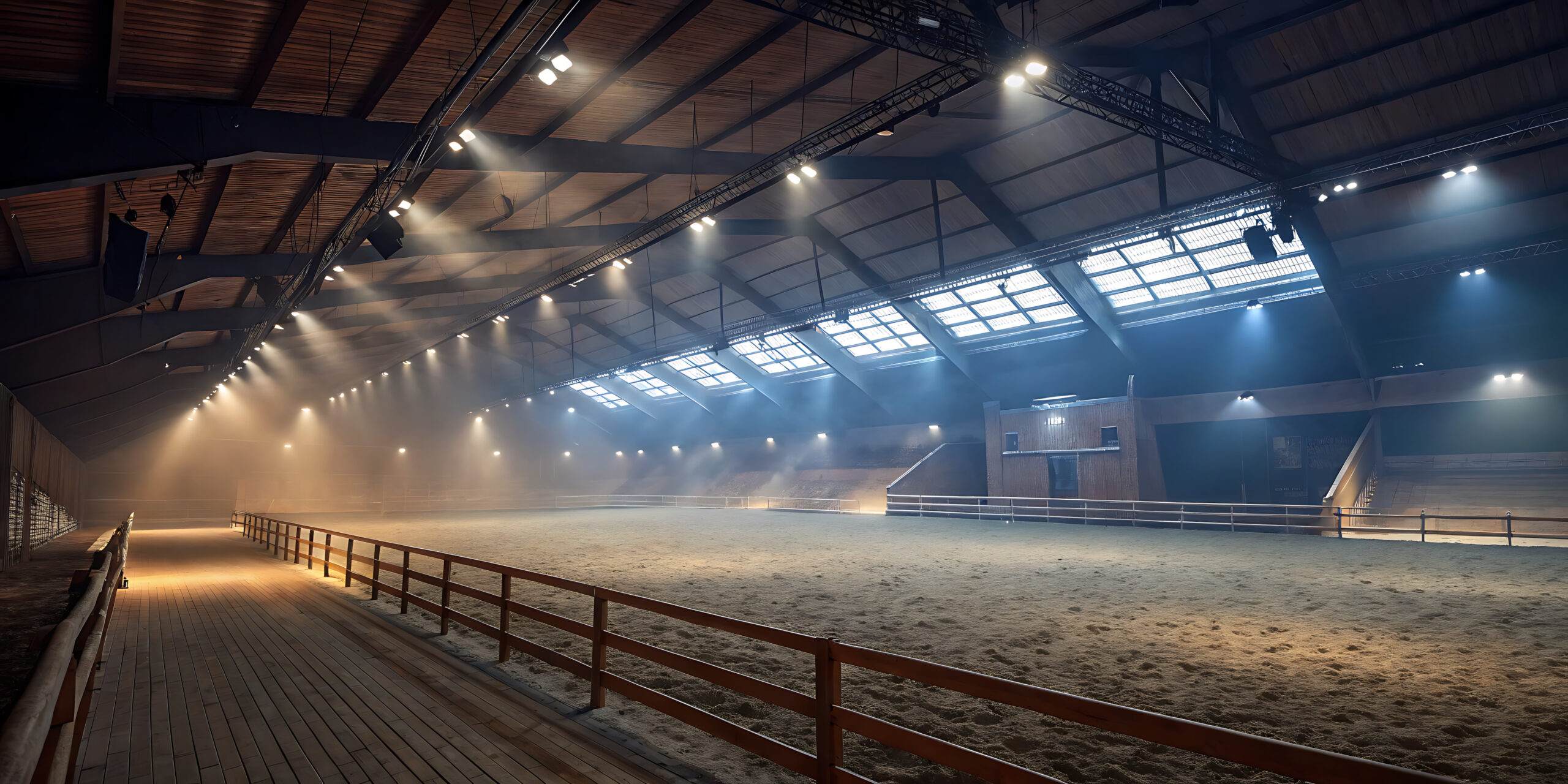
Clear-span construction is perhaps the most valuable feature of modern metal riding arenas. Without interior support columns, riders and horses can navigate the full usable width of the facility, eliminating the safety hazards and spatial limitations associated with traditional truss systems. This design flexibility enables facilities to configure training zones, jump courses, and warm-up areas with complete freedom. Metal riding arenas also provide superior weather protection, creating reliable training conditions year-round. The enclosed environment shields horses and riders from rain, wind, and extreme temperatures, supporting consistent training schedules regardless of seasonal weather patterns.

The economic advantages are equally compelling. Metal riding arenas require minimal ongoing maintenance compared to outdoor facilities or traditional barn structures. Regular inspection and occasional touch-up painting preserve the structure for decades, while the enclosed environment naturally extends the lifespan of arena surfaces, footing materials, and associated infrastructure. For facility operators seeking to maximize their return on investment, metal construction delivers both reduced operational costs and enhanced facility value.


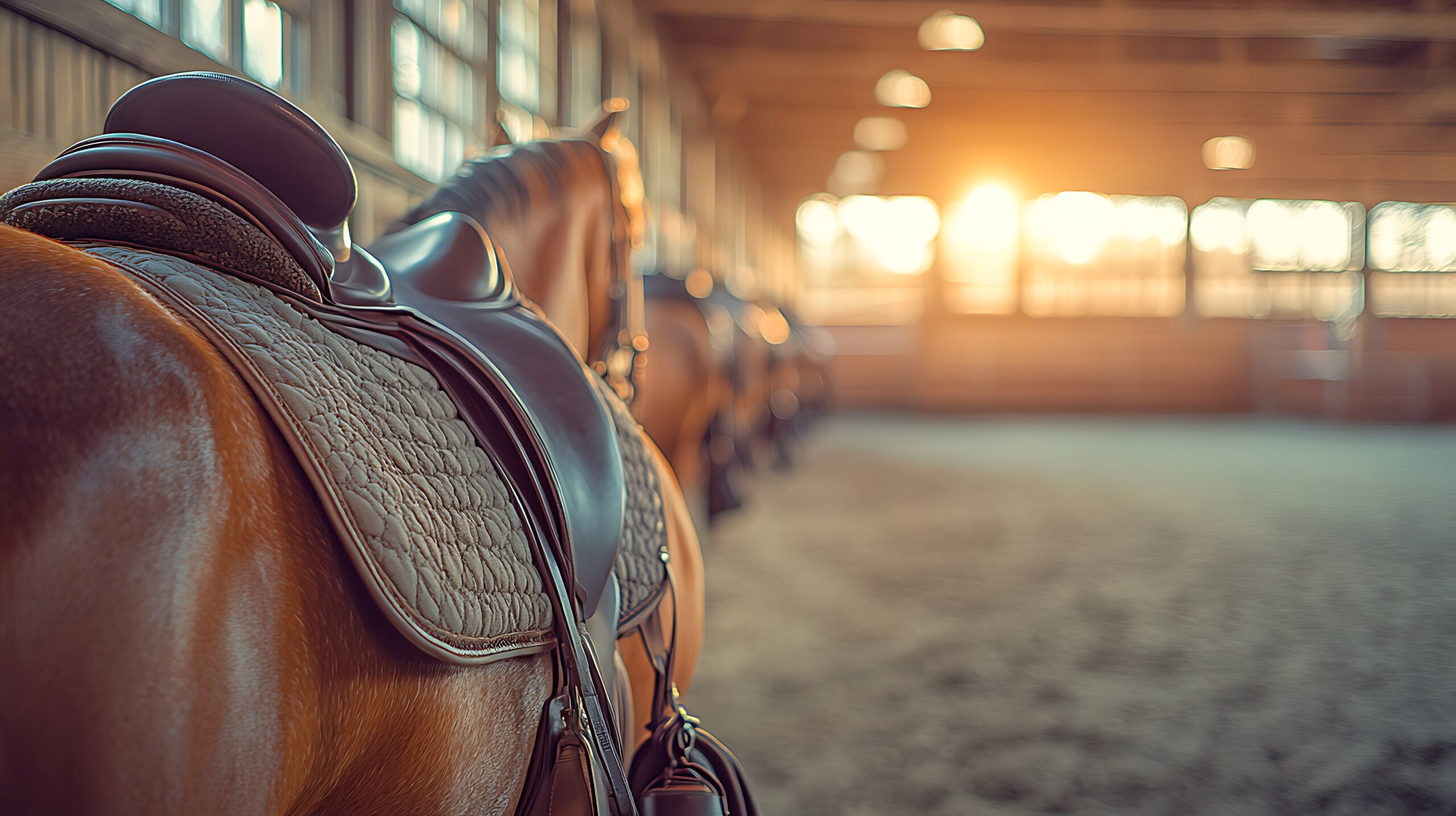
Horseback Riding Arena Saddle on Horse in the Sunlight.

Standard Arena Dimensions and Clear Span Requirements

Selecting appropriate dimensions for your metal riding arena depends on your primary discipline and intended use. According to the US Equestrian Federation, standard dressage arenas measure 20 meters by 60 meters—a configuration that accommodates FEI-sanctioned competition. This dimension has become nearly universal for dressage-focused facilities. For show jumping operations, requirements differ: indoor show jumping requires minimum 1,200 square meters (approximately 40 feet × 130 feet), though larger dimensions improve training flexibility and course design options.

Western riding disciplines benefit from different arena proportions. Western arenas typically measure 100 feet × 200 feet or larger, providing ample space for sliding stops, barrel turns, and cattle work. Regardless of discipline, ensure metal riding arenas include minimum interior heights of 16-18 feet to accommodate mounted riders with tack, jump equipment, and overhead clearance for safety. Many facilities add an additional 2-3 feet for enhanced comfort and future flexibility.

Clear-span design should be a non-negotiable requirement in your metal riding arena specification. Clear spans eliminate interior posts and support columns, creating safety benefits (no collision hazards), training advantages (full-width access), and operational efficiency (flexible layout reconfiguration). Modern steel building technology can economically achieve clear spans up to 200+ feet, accommodating virtually any equestrian discipline or facility layout.

Ventilation, Lighting, and Climate Control for Metal Riding Arenas

Proper ventilation distinguishes a functional metal riding arena from an uncomfortable, dust-choked facility. Ridge vents are essential—they allow hot, humid air to escape during warm months while natural air circulation removes dust and ammonia generated by horses and arena footing. Side vents or louvered panels positioned strategically along the arena’s perimeter enhance cross-ventilation and air exchange rates. For facilities in humid climates, consider mechanical ventilation systems with variable-speed fans that activate during peak usage periods.

Artificial lighting requirements for metal riding arenas typically demand 30-50 foot-candles of illumination distributed evenly across the arena surface. LED fixtures have become the standard choice, offering energy efficiency, long lifespan, and superior light quality compared to metal halide or fluorescent alternatives. Mount fixtures on the perimeter or suspended from the roof structure, ensuring even distribution without creating harsh shadows that might startle horses. Many facilities employ dimmable systems to adjust lighting intensity based on training activities and seasonal daylight availability.

Dust control directly impacts both horse health and facility comfort. Metal riding arenas benefit from combining proper footing material, regular maintenance protocols, and ventilation strategies. Misting systems or water trucks can be employed during dry conditions to suppress dust without creating muddy footing. Some advanced facilities integrate industrial dust collection systems that continuously filter arena air—an investment that pays dividends in respiratory health for both horses and human users.


Footing Systems and Foundation Design

Arena footing is far more critical than most facility designers initially realize. According to Penn State Extension, recommended footing depth of 3-6 inches should utilize C-33 specification sand with angular particles layered over a 2-3 inch aggregate base layer. This proven specification provides the correct balance of cushion, firmness, and drainage that equestrian athletes require. The angular particles lock together, creating stability and reducing displacement while maintaining essential shock absorption for horse legs and joints.

Foundation design directly influences metal riding arena performance and longevity. A properly constructed subgrade forms the base for all subsequent layers—compact native soil or imported material to achieve proper load-bearing density. Above the subgrade, install 4-6 inches of compacted aggregate (crushed stone or recycled asphalt) to distribute loads and improve drainage. Many facilities add a geotextile membrane between the subgrade and aggregate base to prevent material mixing and extend the integrity of lower layers.

Drainage strategy prevents water accumulation that degrades footing and creates muddy conditions. Install perimeter French drains or a subsurface drainage system that channels groundwater away from the arena footprint. Some advanced designs incorporate radiant heating elements below the footing—an investment that extends riding season in northern climates by preventing frost heave and ice formation. According to University of Kentucky equine research, arena surfaces must provide correct firmness, cushion, rebound, and grip specific to each equestrian discipline. Your footing specification should reflect these requirements explicitly.


interior of a clear span horse arena

Doors, Access, and Ancillary Spaces

According to eXtension/USDA equine facilities guidance, metal riding arenas should feature entrance doors 13-15 feet tall minimum, accommodating mounted riders and horse trailers. Many facilities use bifold or sliding doors in this height range—equipment that moves reliably and doesn’t obstruct the arena interior when opened. Position doors to enable direct access to the arena without routing through tack rooms or other facility spaces, streamlining operations and reducing congestion during busy training hours.

Ancillary spaces determine the functionality of your overall equestrian facility. Tack rooms should provide secure, climate-controlled storage for saddles, bridles, and training equipment—typically 200-400 square feet depending on inventory volume. Wash stalls positioned adjacent to arena access enable efficient post-training horse care. Hay and feed storage requires dry, vermin-resistant space separate from the arena to prevent dust contamination and fire hazards. Viewing areas or observer galleries attract spectators for competitions and lessons, enhancing facility value and member experience.

Many progressive metal riding arena designs integrate these spaces within the perimeter of the main structure, creating an efficient footprint and shared roof coverage. This approach reduces construction costs compared to separate buildings while improving user experience through convenient access and climate control. Consider future expansion potential when designing ancillary space layouts—adding an additional tack room or wash stall becomes more economical if rough-ins and utilities are planned during initial construction.


Cost Factors and Budgeting for Your Metal Riding Arena
Metal riding arena construction costs vary significantly based on facility dimensions, regional labor markets, and site conditions. As a general framework, anticipate budgeting $25-45 per square foot for the metal structure itself, depending on clear-span requirements, roof load capacity, and geographic location. A 20m × 60m arena (approximately 12,000 sq ft) typically costs $300,000-$540,000 for structural steel and erection, not including site preparation, foundation work, or interior finishes.

Site preparation and foundation engineering represent significant budget line items often underestimated in initial project planning. Extensive grading, drainage infrastructure, and soil stabilization can add $30,000-$100,000 depending on site conditions. Check local building code requirements and engineer recommendations—poor foundation design becomes catastrophically expensive to remediate post-construction. When evaluating steel building costs, ensure quotes include all site-related expenses, not just structural materials and labor.

Interior finishes—footing installation, lighting, ventilation, doors, and ancillary spaces—typically equal or exceed the structural cost. Budget $15,000-$40,000 for professional arena footing installation, $20,000-$50,000 for adequate lighting systems, and $10,000-$30,000 for ventilation equipment. Tack rooms, wash stalls, and viewing areas add $30,000-$80,000 depending on finishes and equipment quality. For comprehensive planning, review our indoor sports facility guide which addresses budgeting strategies and revenue models for equestrian facilities.

Regional labor costs and material availability significantly influence final project budgets. Metal building suppliers in regions with strong agricultural presence often provide competitive pricing compared to urban markets. Building code variations also impact costs—some jurisdictions impose stringent wind or snow load requirements that increase structural specifications. Request detailed cost breakdowns from multiple contractors and verify that all components align with your facility’s specific needs and discipline requirements.


Conclusion

Metal riding arenas represent a transformative investment in equestrian facility infrastructure. The combination of structural durability, clear-span design flexibility, weather protection, and operational efficiency makes metal construction the preferred choice for professional trainers, facility operators, and equestrian organizations nationwide. By carefully planning arena dimensions, footing specifications, ventilation systems, and ancillary spaces, you create a facility that delivers superior performance for decades.

Ready to explore your metal riding arena project? SteelCo Buildings specializes in designing and delivering custom steel structures tailored to equestrian operations. Our team understands the unique requirements of metal riding arenas—from clear-span structural design to specialized climate control and footing integration.

Contact SteelCo today to discuss your facility vision and receive a detailed project proposal. Whether you’re expanding an existing operation or building from the ground up, we’re committed to delivering a metal riding arena that exceeds your expectations for decades to come. Visit our types of construction projects page to explore more facility solutions.


Frequently Asked Questions

Q: What is the minimum size for a functional metal riding arena?

A: For versatile general-purpose use, minimum dimensions are 60 feet × 120 feet, providing approximately 7,200 square feet. However, dressage-specific facilities require the international standard of 20m × 60m (66 × 197 feet). Smaller arenas limit training possibilities and may restrict equestrian disciplines you can accommodate.

Q: How often must arena footing be replaced or refreshed?

A: Well-maintained metal riding arenas with quality C-33 sand footing typically require replacement every 5-8 years depending on usage intensity. Regular grooming and dragging extend footing lifespan significantly. Some facilities implement annual top-dressing protocols—adding 0.5-1 inch of fresh sand—to maintain optimal surface characteristics without complete replacement.

Q: Do metal riding arenas require building permits and engineer stamped plans?

A: Yes—essentially all jurisdictions require building permits for structures exceeding 200 square feet. Engineer-stamped structural designs are mandatory, particularly for clear-span buildings exceeding 30 feet. Budget for professional engineering services ($2,000-$8,000 depending on complexity) and permit fees ($500-$3,000) in your project timeline and budget.

Q: Can metal riding arenas be heated for year-round comfort?

A: Radiant floor heating systems can be integrated beneath arena footing for northern climates, but full-arena heating is economically impractical. More practical strategies include zone heating for ancillary spaces, infrared heaters for spectator areas, and proper insulation to moderate temperature extremes. Many facilities accept seasonal arena limitations as standard practice.

Q: What interior finish options work best for metal riding arenas?

A: Epoxy or polished concrete floors work well for ancillary spaces like tack rooms. The arena itself requires specialized footing systems (sand, synthetic, or engineered surfaces) rather than concrete. Interior walls can be finished with painted plywood, steel paneling, or fabric systems depending on budget and aesthetic preferences.

Q: Are there environmental benefits to metal riding arena construction?

A: Yes—steel is highly recyclable, and properly designed metal buildings minimize waste during construction. The long lifespan of metal structures (40+ years) reduces embodied carbon compared to frequent rebuilds. Additionally, metal riding arenas enable year-round use, reducing the environmental footprint of outdoor facility development and land disturbance.

Q: How does insurance typically value a metal riding arena facility?

A: Insurance valuations depend on structure replacement cost, contents value, and facility classification. Underwriters favor metal construction for its fire resistance and durability. Obtaining accurate valuations requires detailed cost documentation from your builder and structural engineer. Work with equine-focused insurers familiar with facility valuations.


Copy Link