...

How to Start an Indoor Sports Facility: Costs, Building Types, and Revenue Models

This guide breaks down essential strategies for your indoor sports facility in 2026—from maximizing "clear-span" space and managing specialized flooring costs to boosting revenue through mezzanine levels and smart site design.

Intro

Starting an indoor sports facility is a powerful way to turn your passion for athletics into a thriving business. Whether you are envisioning a community center for youth basketball, a specialized turf arena for year-round soccer, or a high-tech pickleball hub, success starts with a strong physical and financial plan.

As demand for weather-proof recreation continues to climb, the global sports building market is projected to reach over $196 billion by 2026, according to The Business Research Company. For entrepreneurs, this means there has never been a better time to invest in a dedicated space for fitness and competition. In this guide, we will break down the essential steps of how to start an indoor sports facility, from managing construction costs to choosing the best revenue model for your local market.

Table of Contents

Intro
Choosing the Right Building Type: The Industrial Advantage
Estimating Construction and Startup Costs
Revenue Models: Maximizing Your Return on Investment
Multi-Level Use: The Power of Mezzanines
Site Orientation and Permitting
Conclusion
Frequently Asked Questions
Choosing the Right Building Type: The Industrial Advantage

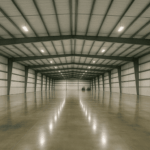
When you begin the process of indoor sports facility construction, your most important structural need is “clear-span” space. This is a design that allows the building to support its own weight across a wide area without the need for interior columns. In a sports setting, columns are more than just an eyesore; they are a safety hazard that can interfere with a fast-paced volleyball game or a soccer match.

Why Steel Warehouse Designs Work Best

Most facility owners choose pre-engineered metal buildings (PEMB) because they offer massive, open floor plans that traditional wood or brick buildings simply cannot match. By using a “rigid frame” design, the strength of the building is moved to the outer walls, leaving the center completely open for athletes.

  • Wide-Open Spaces: Steel can span over 200 to 300 feet without a single interior pole. This gives you total freedom to layout multiple basketball courts side-by-side or install a full-sized indoor turf field.
  • Custom Height for Every Sport: Different sports have strict “clear height” requirements to ensure the ball doesn’t hit the ceiling. Steel frames make it easy to reach these heights (often 25–30 feet) while keeping construction costs manageable.
  • Industrial-Grade Durability: These structures are engineered with the same high-performance standards found in Exploring Different Warehouse Types. This industrial-grade strength ensures your gym can handle “collateral loads”—the heavy weight of items hanging from the ceiling, such as professional scoreboards and retractable basketball hoops.

Estimating Construction and Startup Costs

Opening an indoor sports center requires balancing the efficiency of a structural shell with the specialized interior finishes needed for athletic performance. While total investment varies by region and facility size, budget planning in 2026 is driven by three primary categories: structural materials, specialized surfaces, and high-performance environmental controls.

Primary Cost Categories:

  • The Building Shell: Pre-engineered steel remains the gold standard for sports facilities due to its speed of assembly and open-concept design. According to the 2026 Sports Buildings Global Market Report by The Business Research Company, the demand for modern, multifunctional sports infrastructure is driving a market expected to reach $196.65 billion this year, favoring durable, high-clearance steel designs.
  • Specialized Flooring: High-end surfaces are a critical interior investment, as they directly impact athlete safety and insurance premiums. Professional athletic flooring typically ranges between $15 and $25 per square foot installed. Industry pricing benchmarks from Robbins Sports Surfaces indicate that professional hardwood systems involve complex sub-floor engineering, meaning the total cost is influenced heavily by regional labor, material selection, and site conditions.
  • HVAC and Air Quality: Maintaining optimal temperatures in a high-volume “box” building requires heavy-duty HVAC systems capable of multiple air exchanges per hour. Research from the U.S. Department of Energy highlights that integrating smart climate controls and LED lighting can reduce long-term operational utility costs by up to 50% compared to traditional lighting and older mechanical systems.
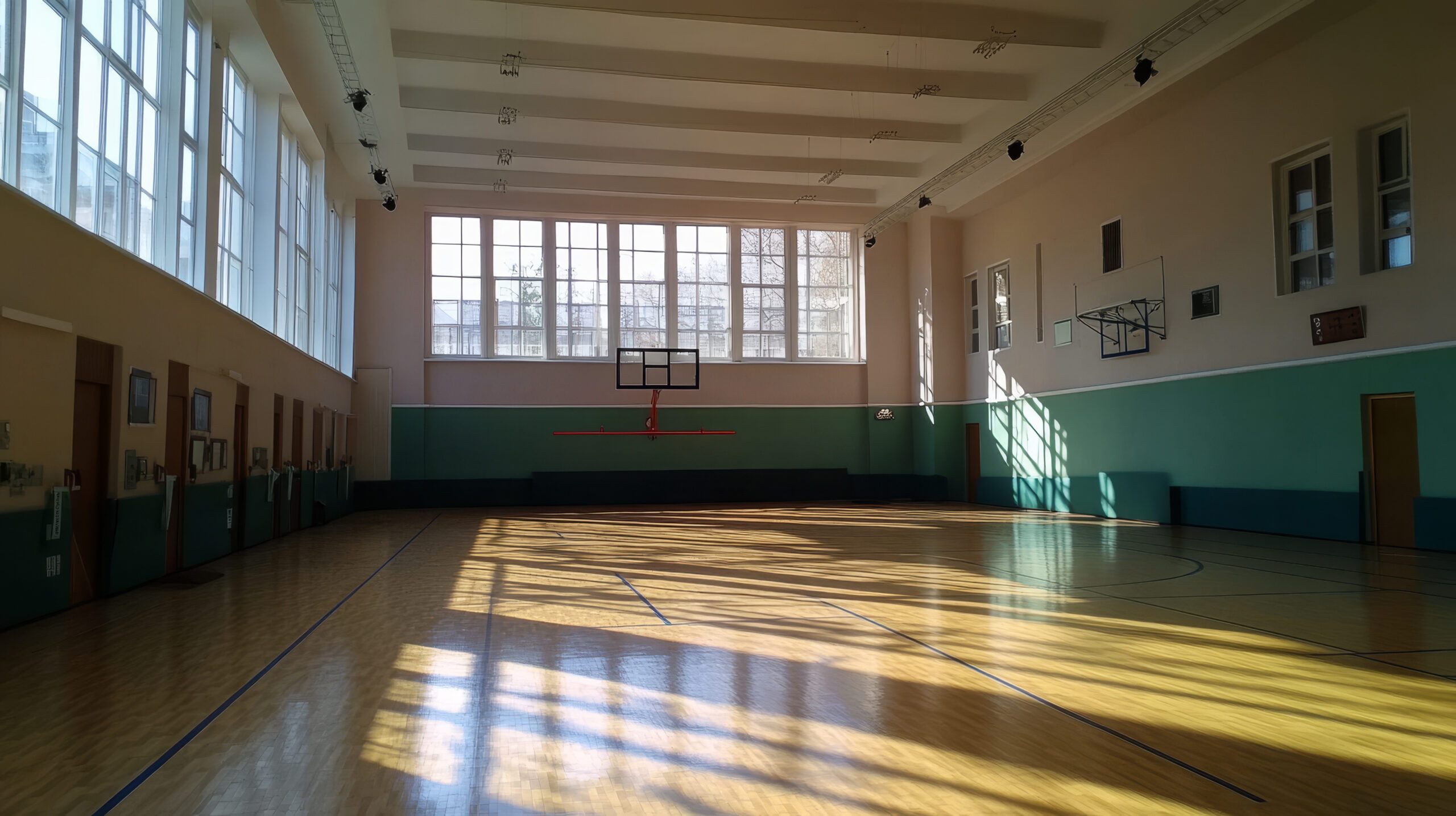
indoor basketball gym with expansive windows

Revenue Models: Maximizing Your Return on Investment

Your building is a “box” of potential revenue. To stay profitable, you should never rely on just one sport. The most successful facilities use a “layered” revenue approach to keep money coming in year-round.

  • League and Tournament Fees: Hosting organized events brings in large crowds at once, generating registration fees and spectator tickets.
  • Recurring Memberships: Monthly subscriptions for “open gym” access create predictable cash flow during slower seasons.
  • Space Optimization: Just as in logistics, your floor plan determines your profit. Using Strategic Warehouse Planning can help you design high-traffic zones like lobbies and concession stands so that your customers spend more time (and money) in your facility.

Multi-Level Use: The Power of Mezzanines

If you build a high-ceiling steel structure, you don’t have to limit your revenue to the ground floor. In many indoor sports facility construction projects, the “vertical space” is often overlooked. Mezzanine levels are a strategic way to add usable square footage without increasing your building’s footprint or requiring a larger piece of land.

By adding a second level that overlooks the main courts or fields, you essentially “create land” inside your building.

Enhancing the Spectator Experience

One of the biggest challenges in a sports facility is managing the crowd. Parents, scouts, and fans often crowd the sidelines, which can be a safety hazard.

  • Clear Sightlines: A mezzanine provides a “stadium feel” with a birds-eye view of the action. This keeps the ground floor clear for athletes and referees.
  • Safety and Flow: By moving non-athletes to a second level, you reduce the risk of collisions on the sidelines. It also makes it easier to manage the “flow” of people during large tournament changeovers.

Unlocking Secondary Revenue Streams

The real power of a mezzanine is its ability to host “secondary” businesses that run at the same time as your main events.

  • Fitness Centers and Studios: While kids are at soccer practice, parents can use a mezzanine-level gym or attend a yoga class. This turns a “waiting” parent into a paying member.
  • Multi-Purpose Rooms: Use the upper level for birthday party rentals, team meetings, or dance studios. Since these activities don’t require 30-foot ceilings, the space under a mezzanine can still be used for locker rooms, offices, or a pro-shop.

Increasing Spending: Social spaces are a major revenue driver. According to research from the Health & Fitness Association (HFA), facilities that offer social amenities like mezzanine cafes or co-working zones see a 20% increase in secondary spending per visit. This is because these spaces increase “dwell time,” keeping families on-site longer.

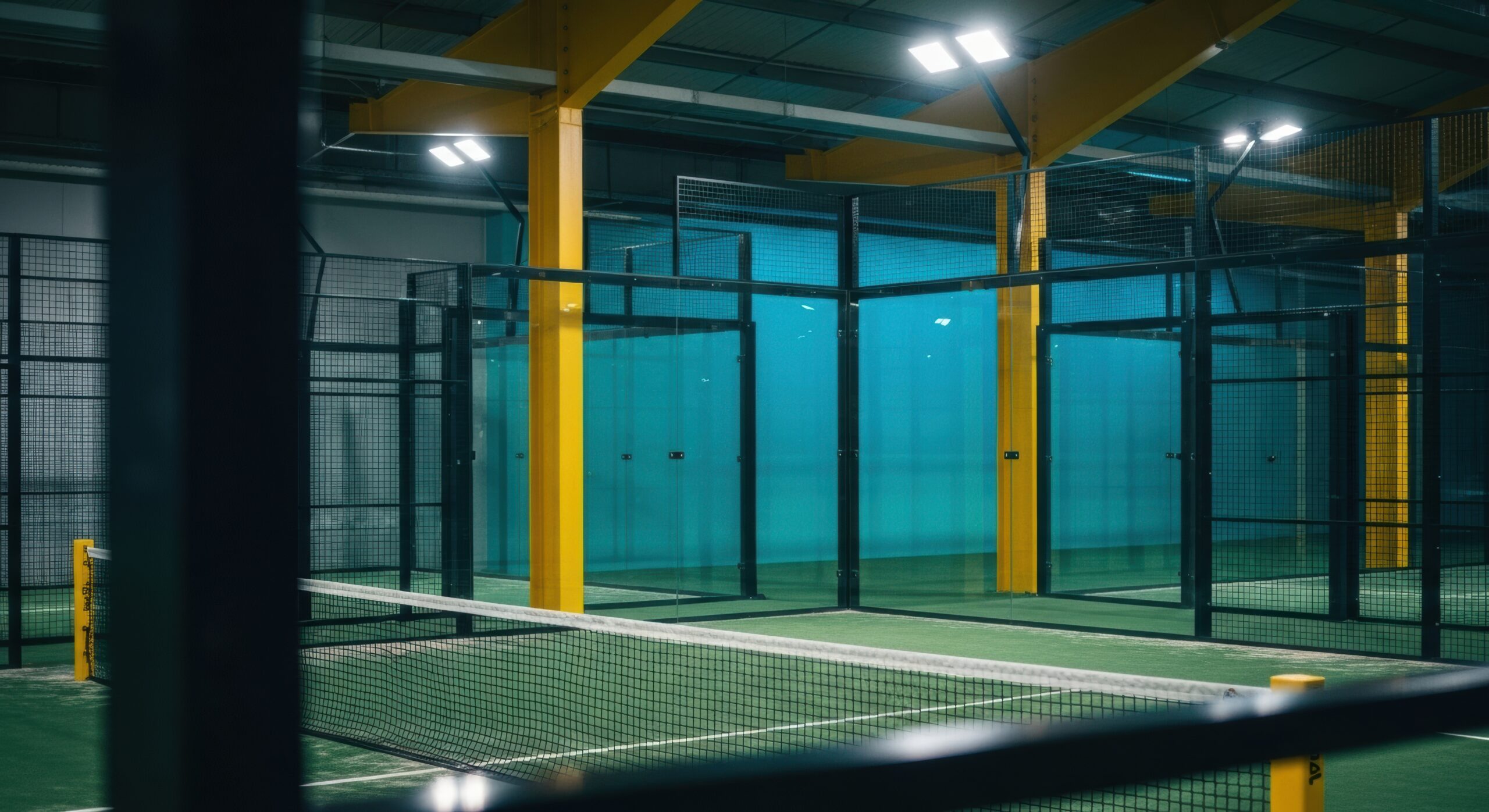
indoor sports facility: tennis court setup

Site Orientation and Permitting

Getting approval from your local city council is often the most complex and time-consuming part of how to start an indoor sports facility. Unlike a standard warehouse where only a few employees are present, a sports center is a “high-occupancy” building.

Navigating “Commercial Recreation” Zoning

Most indoor sports facilities are zoned as Commercial Recreation (CR) or Light Industrial. If your land is not already zoned this way, you may have to apply for a “Special Use Permit.” During this process, the city will evaluate:

  • Noise and Light Impact: Will late-night whistle-blowing or high-intensity parking lot lights disturb nearby neighbors?
  • Water Management: Large buildings and paved parking lots create significant water runoff. You will likely need to design a “retention pond” or specialized drainage system.
  • Permit Hurdles: Navigating the paperwork for a large-span building requires careful attention to detail. You can learn about the documentation and safety codes you’ll need in our guide on How to Get a Permit for a Warehouse or Storage Building.

Parking and Traffic: The Tournament Factor

Traffic is a major reason sports facility permits get denied. While a warehouse might have 10 cars in the lot, a youth basketball tournament can bring in 300 cars every two hours.

  • The Parking Ratio: Most cities require at least one parking spot for every 200–300 square feet of building space.
  • Ingress and Egress: You must prove that cars can enter and leave the property safely without causing a traffic jam on the main road.

Conclusion

What’s Next for Your Facility?

Building a successful indoor sports facility involves careful planning and execution across various aspects. Steel emerges as a superior choice due to its durability, cost-effectiveness, and flexibility. Your design layout should prioritize space optimization and customer convenience to ensure your business thrives for decades.

SteelCo has been dropshipping pre-engineered metal building (PEMB) materials nationwide for over 25 years. We work with suppliers who adhere to the standards set by MBMA, AISC, and AISI and deliver only the highest-quality materials customized to meet your unique requirements and local building codes.

Ready to turn your vision into reality? Learn more about our sports building solutions and get a custom quote for your facility today.

Frequently Asked Questions

Q1: How much land do I need for an indoor sports facility?

A: A typical 20,000-square-foot facility usually needs at least 2 acres of land to account for the building, parking lots, and water drainage areas.

Q2: Why is steel better than wood for sports centers?

A: Steel provides much wider clear-span distances (up to 300 feet) and is naturally resistant to mold and pests, which are common issues in high-moisture gym environments.

Q3: What is the most profitable indoor sport right now?

A: Pickleball is currently the fastest-growing. Because the courts are small, you can fit four pickleball courtsin the space of one tennis court, multiplying your rental income.

Q4: Can I add a mezzanine to my sports building later?

A: Yes, if the building is engineered for the extra weight from the start. Steel buildings are especially easy to upgrade with mezzanine levels for seating or offices.

Q5: How long does it take to construct a steel sports building?

A: Once the site is prepared and the foundation is poured, a pre-engineered steel building can typically be erected in just 8 to 12 weeks.

Copy Link