Intro
An industrial warehouse building is not a standard distribution center with higher ceilings. It is a purpose-engineered structure designed to support heavy equipment loads, overhead crane systems, reinforced floor slabs, and production workflows that put demands on a building far beyond what conventional warehouse design anticipates. When the intended use involves manufacturing, fabrication, heavy assembly, or industrial processing, every structural element—from the foundation to the roof system—must be designed to handle loads and conditions that typical commercial construction does not address.
According to Grand View Research, the U.S. pre-engineered metal building market was estimated at $12.98 billion in 2024, with the manufacturing segment accounting for the largest revenue share at 34 percent. That dominance reflects the structural versatility of steel framing systems, which can be engineered to accommodate overhead cranes, heavy floor loads, and the wide clear spans that industrial operations require. This guide covers the key structural design considerations for industrial warehouse metal buildings, with practical guidance for developers, owners, and general contractors planning heavy-use facilities.
Table of Contents
What Makes an Industrial Warehouse Different
Floor Slab Design for Heavy Equipment and Production
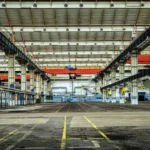
Overhead Crane Systems and Structural Integration
Clear Span, Clear Height, and the Industrial Envelope
Industrial Warehouse Metal Buildings: Cost and Timeline Factors