Intro
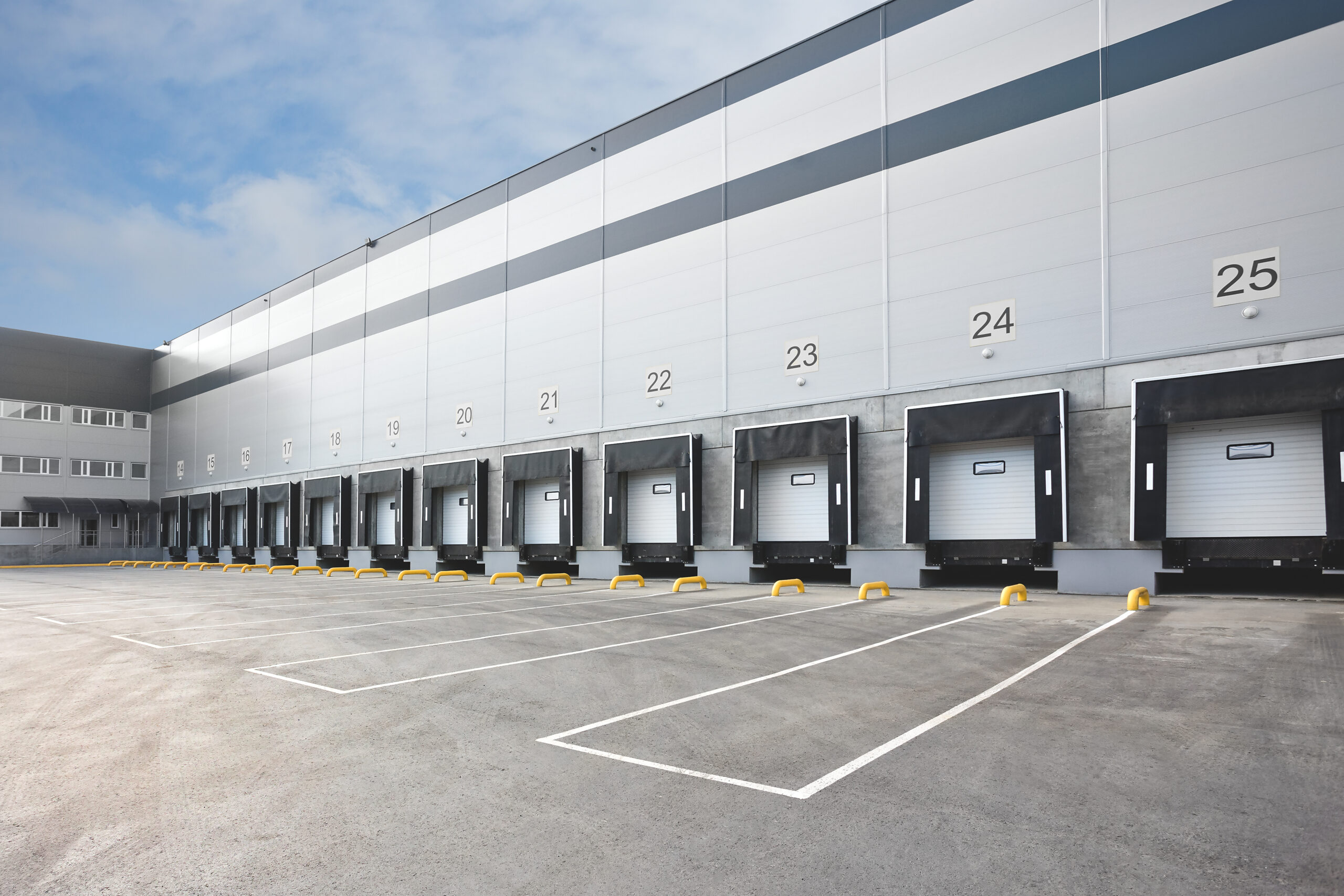
The foundation of an efficient warehouse operation isn’t just about square footage or ceiling height—it starts with the loading dock. Warehouse loading dock design is one of the most critical yet overlooked aspects of industrial facility planning. A poorly designed dock can bottleneck throughput, increase operational costs, and create safety hazards. Conversely, a thoughtfully engineered loading dock with proper door spacing, truck court dimensions, and integrated infrastructure can significantly improve your facility’s productivity and bottom line.
At SteelCo, we’ve engineered hundreds of steel warehouse buildings with optimized loading dock configurations. Whether you’re planning a new distribution center, expanding a food processing facility, or retrofitting an existing warehouse, understanding warehouse loading dock design principles is essential. This guide covers the critical standards, dimensions, and design considerations that will help you plan a dock that works for your operation today and scales with your growth tomorrow.
Learn more about steel warehouse buildings and how SteelCo designs facilities tailored to your operational needs.
Table of Contents
Why Loading Dock Design Starts with Operations, Not Architecture
Dock Door Sizing and Spacing Standards
Truck Court Dimensions and Maneuvering Requirements
Loading Dock Design for Food Distribution Warehouses
Dock-to-Square-Footage Ratios by Facility Type
Integrating Loading Dock Design into Your Steel Building Project