...

Modern Pre-Engineered Metal Buildings: Design Trends and Performance Advantages

Modern pre engineered metal buildings combine structural efficiency, scalable design, and high-performance detailing—making them a smart solution for today’s warehouse, industrial, and commercial construction needs.

Intro

Pre-engineered metal buildings are no longer limited to simple warehouse shells or agricultural sheds. Today’s modern pre engineered metal building systems integrate advanced structural engineering, improved envelope technologies, architectural enhancements, and code-driven performance standards that rival traditional construction methods. From distribution centers and flex space to self-storage and industrial facilities, these systems are engineered for speed, scalability, and long-term durability.

Understanding the structural components and pre engineered metal building details that influence performance—such as rigid frame design, roof systems, connection strategies, and thermal assemblies—helps owners and developers make smarter decisions early in the planning process. When properly designed and coordinated, modern PEMBs deliver not only efficiency in construction but measurable advantages in lifecycle cost and operational flexibility.

In this guide, we’ll explore the design trends shaping today’s pre-engineered metal buildings and break down the structural details that define their performance.

Table of Contents

What Defines a Modern Pre-Engineered Metal Building?
Design Trends in Modern Pre-Engineered Metal Buildings
Pre Engineered Metal Building Details That Impact Performance
Performance Advantages Over Conventional Systems
Ideal Applications for Modern Pre-Engineered Metal Buildings
Common Misconceptions About PEMBs
Why Early Design Coordination Matters
Conclusion
FAQs About Modern Pre-Engineered Metal Buildings

 

What Defines a Modern Pre-Engineered Metal Building?

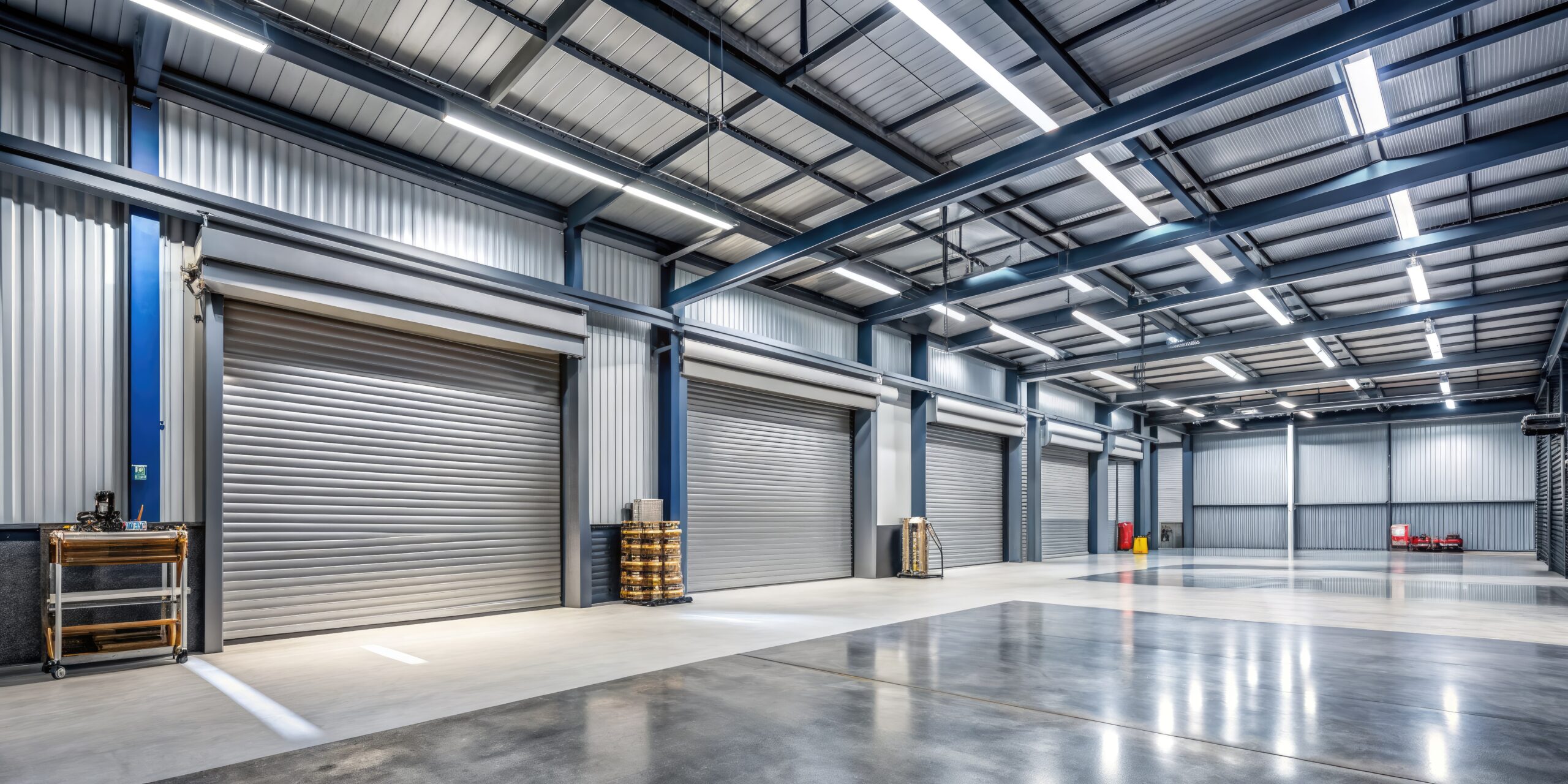
A modern pre engineered metal building (PEMB) is not simply a prefabricated steel structure — it is a fully engineered building system designed as an integrated structural solution. Unlike conventional steel construction, where structural members are individually designed and fabricated for a project, PEMBs are optimized using advanced engineering software and manufactured as coordinated systems.

At the core of a pre-engineered metal building are rigid steel frames composed of tapered columns and rafters. These primary framing members are engineered specifically for the building’s span, height, and load requirements, allowing steel to be used efficiently where structural demand is greatest. Instead of uniform beams throughout, material depth increases where bending moments are higher and reduces where loads decrease — improving structural efficiency.

Secondary framing components—such as purlins and girts—tie the system together and support roof and wall assemblies. Because these elements are engineered together, rather than assembled independently, the result is a building designed as one cohesive structural system.

Engineered as a System, Not Just a Structure

One defining characteristic of modern PEMBs is system-level coordination. Structural framing, roof assemblies, wall systems, and connection details are engineered concurrently. This integrated approach improves:

  • Load path clarity
  • Erection sequencing efficiency
  • Material optimization
  • Expansion planning

Modern pre engineered metal building systems are also designed to meet applicable building codes for wind, snow, and seismic loads, just like conventional steel structures. The difference lies in how efficiently the structural components are engineered and fabricated.

For a broader breakdown of how these systems compare to other structural approaches, see our guide to Pros & Cons of Preengineered Metal Buildings.

Understanding these foundational characteristics helps explain why modern PEMBs are widely used in warehouse, industrial, self-storage, and flex-space construction today.


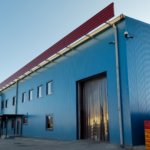
Blue industrial warehouse exterior with metal cladding, white garage doors. Commercial storehouse building with concrete driveway, bollards. Modern logistics facility outdoors under clear blue sky

Design Trends in Modern Pre-Engineered Metal Buildings

The modern pre engineered metal building has evolved because industrial users now expect more than a fast shell. Occupiers want higher storage density, better energy performance, and buildings that can adapt as operations change. As a result, today’s PEMBs are being designed with larger volumes, tighter envelopes, and more “architectural” flexibility—while still retaining the speed and efficiency that made them popular in the first place.

Taller Clear Heights and Higher Cubic Efficiency

One of the most consistent trends in industrial and logistics facilities is the move toward taller buildings. Higher clear heights allow more vertical racking, better automation layouts, and improved storage per square foot—key drivers in distribution economics. CBRE has noted that occupiers increasingly seek 36–40 ft clear heights, compared with 18–32 ft in many older industrial buildings. CBRE Investment Management – “Quality and Modernity Deliver for U.S. Logistics”

That shift matters for pre engineered metal building details like rigid frame sizing, bracing strategy, and wall/roof diaphragm performance—because taller walls and longer spans increase wind demands and structural load paths.

Stronger Envelope Expectations and Thermal Performance

A second major trend is a growing focus on envelope performance—especially for facilities with conditioned office buildouts, climate-sensitive storage, or future-proofing for tenant upgrades. The U.S. DOE’s Better Buildings program notes that envelope technologies account for ~30% of the primary energy consumed in residential and commercial buildings, reinforcing why owners pay closer attention to roof/wall assemblies, air sealing, and insulation continuity. DOE Better Buildings – Building Envelope

In practice, that’s driving more frequent use of insulated roof packages, improved vapor control detailing, and higher-performing wall systems in modern PEMBs—even when the “base building” starts as a straightforward shell.

Architectural Upgrades and Mixed-Material Facades

PEMBs are also being designed to better meet municipal standards and tenant branding expectations. Parapets, canopies, storefront glazing, and mixed-material facades (masonry/IMP/architectural panel blends) are increasingly common—especially for flex space and front-office elevations. This is where modern PEMBs separate from the “plain metal box” stereotype.

To connect roof form to durability and performance, our article Metal Building Roof Pitch: Optimizing Slope for Durability is a good supporting internal read.

These trends collectively show why modern PEMBs are less about “cheap and fast,” and more about engineered performance—without giving up the speed and predictability that make pre-engineered systems attractive.


Pre Engineered Metal Building Details That Impact Performance

While design trends shape the look and scale of a project, it’s the pre engineered metal building details that ultimately determine long-term performance. Structural framing, connections, roof assemblies, and load paths all work together to influence durability, erection speed, and expansion capability.

Primary Framing Systems

At the core of a modern pre engineered metal building are rigid steel frames composed of tapered columns and rafters. Unlike uniform hot-rolled members, tapered sections are engineered to match structural demand—deeper where bending forces are highest and lighter where loads decrease. This optimization reduces unnecessary steel weight while maintaining structural strength.

Rigid frame systems are designed to resist vertical loads (snow, dead load) and lateral forces (wind and seismic). The International Building Code (IBC) establishes minimum load criteria by region, which directly affects frame sizing, bracing, and connection detailing.

Secondary Framing and Diaphragm Action

Secondary members—purlins (roof) and girts (walls)—transfer loads to the primary frames and support cladding systems. These components also contribute to diaphragm action, helping distribute lateral loads across the structure.

Proper alignment between primary and secondary framing improves erection efficiency and structural stability during construction.

Connection Design and Load Paths

Connection detailing is one of the most important yet overlooked elements in PEMB performance. Bolted moment connections at rigid frames must safely transfer bending forces between columns and rafters. Bracing systems and base plate anchorage must provide clear, continuous load paths down to the foundation.

For deeper insight into how framing systems compare structurally, see Pros & Cons of Preengineered Metal Buildings.

Roof Assemblies and Moisture Control

Roof systems typically consist of metal panels, insulation systems, and fastening assemblies designed to resist uplift pressures. Proper slope, drainage detailing, and vapor control help prevent condensation and premature deterioration.

Our guide to Spray Foam Insulation for Metal Buildings explains how insulation choices affect moisture management and energy performance.

Together, these engineered details define the structural integrity and long-term reliability of a modern pre engineered metal building.


Performance Advantages Over Conventional Systems

A modern pre engineered metal building isn’t just a faster way to “get a shell up.” Compared to conventional structural approaches, PEMBs tend to win on schedule certainty, field efficiency, and long-term adaptability—especially when the project is a straightforward industrial or commercial footprint.

Faster, Cleaner Installation

One of the most practical advantages is erection efficiency. PEMB components are designed and fabricated to assemble together with minimal field cutting and welding, which reduces rework and sequencing friction.

Industry coverage citing MBMA estimates notes that using PEMBs can reduce portions of the installation schedule by 30–50% because components are prefabricated and arrive ready for assembly.

That matters for real-world economics: shorter schedules typically mean reduced general conditions, lower exposure to weather delays, and quicker time-to-occupancy.

More Predictable Structural Scope

Because the building system is engineered as a package (frames, secondary members, cladding support, and connection strategy), owners generally get clearer structural definition earlier. That upfront clarity can reduce late-stage scope drift—especially around framing, loads, and enclosure detailing.

If you want a SteelCo internal deep dive on tradeoffs, this pairs well with: Pros & Cons of Preengineered Metal Buildings.

Dimensional Stability vs Wood-Framed Movement

Another performance advantage is dimensional stability. Steel framing doesn’t shrink with moisture changes the way wood can, which can help reduce long-term shifting that affects finishes, openings, and alignment.

For example, BuildSteel highlights cold-formed steel framing as dimensionally stable and notes it does not expand or contract with changes in moisture content.

Expansion-Friendly Modularity

Finally, PEMBs are inherently modular (bay-based), which makes future expansion more straightforward in many cases—especially longitudinal building extensions—when the original design anticipates growth.


Ideal Applications for Modern Pre-Engineered Metal Buildings
The flexibility of a modern pre engineered metal building makes it suitable for a wide range of commercial and industrial applications. While PEMBs are often associated with warehouses, today’s engineered systems support far more than basic storage.

Warehouses and Distribution Facilities

Warehouses remain one of the most common applications for pre engineered metal building systems. Demand for higher clear heights, wider column spacing, and faster delivery timelines aligns well with PEMB structural efficiency.

According to the U.S. Census Bureau’s Value of Construction Put in Place Report, warehouse construction has consistently ranked among the strongest segments of nonresidential construction in recent years, reflecting sustained logistics and distribution demand nationwide.

That continued growth has driven refinement of key pre engineered metal building details, including taller eave heights, improved roof diaphragm performance, and more robust wind load engineering.

For deeper planning considerations, see our guide to
Warehouse Construction: From Site Selection to Shell Completion.

Self-Storage and Flex Space

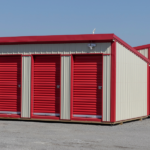
Self-storage facilities benefit from PEMB systems due to repetitive bay layouts and cost-efficient structural grids. The Self Storage Association’s Industry Facts & Data highlights continued growth in self-storage inventory over the past decade, reinforcing the need for scalable and modular building systems.

PEMB modular framing makes it easier to replicate unit layouts and phase construction over time.

Industrial and Light Manufacturing

Manufacturing and light industrial users often require clear interior layouts, overhead crane capacity, and expansion flexibility. Rigid frame systems in modern PEMBs accommodate these structural demands while maintaining material efficiency and erection speed.

Agricultural and Hangar Applications

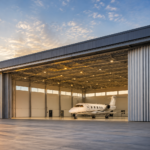
Large clear spans also make PEMBs ideal for agricultural facilities and aircraft hangars, where unobstructed interior space is critical.

Related read: Agricultural Metal Buildings: Common Uses, Design Options, and Cost Factors


Common Misconceptions About Modern Pre-Engineered Metal Buildings

Despite their widespread use, modern pre engineered metal building systems are still subject to outdated assumptions. Many of these misconceptions stem from early-generation metal buildings that lacked the design flexibility and performance standards common today.

“They All Look the Same”

One of the most persistent myths is that PEMBs are visually limited to basic industrial boxes. In reality, modern systems can incorporate parapets, mixed-material facades, storefront glazing, architectural panels, and custom color schemes. Because structural framing is separate from exterior finishes, designers can integrate masonry, insulated metal panels, or composite wall systems without compromising structural efficiency.

“They’re Only for Warehouses”

While warehouses remain a dominant application, pre engineered metal building systems are widely used for flex space, self-storage, manufacturing, aviation, and even office-integrated facilities. The U.S. Census Bureau continues to report strong growth across warehouse and manufacturing construction segments, reinforcing how these structural systems support diverse commercial applications.
See the U.S. Census Bureau Construction Spending Data.

“They Can’t Meet Modern Energy Codes”

Another common misconception is that metal buildings are difficult to insulate. In practice, modern PEMBs incorporate high-performance roof and wall assemblies designed to meet energy code requirements in most jurisdictions. Insulated metal panels, continuous insulation systems, and improved vapor control detailing have significantly advanced envelope performance.

Our guide to Spray Foam Insulation for Metal Buildings explains how insulation systems affect condensation control and energy efficiency.

“They’re Less Durable Than Conventional Steel”

Pre engineered metal buildings are fully engineered structural systems designed to meet the same building code requirements as conventional steel structures. The difference lies in fabrication efficiency—not structural capability.

In reality, modern PEMBs are defined less by limitation and more by optimization: engineered material use, coordinated detailing, and adaptable structural systems.


Why Early Design Coordination Matters

A modern pre engineered metal building performs best when structural design, site planning, and architectural intent are aligned from the beginning. Unlike conventional systems where framing decisions can evolve later, PEMBs benefit from early coordination because the building is engineered as an integrated package.

Manufacturer-Driven Engineering Efficiency

In a PEMB project, the primary framing system is engineered based on defined inputs: span, height, loading criteria, roof slope, and building use. If those inputs shift late in design, structural members may need to be re-engineered. Early clarity around operational needs—clear height, crane loads, mezzanines, future expansion—improves design precision and reduces revision cycles.

The Construction Management Association of America (CMAA) highlights that structured preconstruction planning improves cost predictability and reduces downstream project risk.
See CMAA – Three Benefits of Preconstruction.

That principle applies directly to pre engineered metal building details: defining loads, envelope requirements, and expansion plans early leads to smoother fabrication and erection.

Coordination Between Structural and Envelope Systems

Modern PEMBs often incorporate architectural enhancements—parapets, storefront glazing, mixed cladding, or insulated metal panels. These elements interact with structural framing and attachment systems. Coordinating envelope detailing early prevents costly field modifications.

Roof slope, drainage strategy, and insulation systems should also be aligned before fabrication begins. For additional context, see Metal Building Roof Pitch: Optimizing Slope for Durability.

Planning for Future Expansion

Because PEMBs are modular, early planning can accommodate longitudinal expansion, additional loading, or structural reinforcement for future upgrades. Designing for potential growth during initial engineering is significantly more cost-effective than retrofitting later.

Conclusion

The modern pre engineered metal building is no longer defined by simplicity — it is defined by precision engineering, scalable design, and performance-driven detailing. From rigid frame optimization and advanced roof systems to architectural enhancements and expansion planning, today’s PEMBs offer structural efficiency without sacrificing durability or flexibility.

Understanding the critical pre engineered metal building details — span configuration, load paths, envelope systems, and long-term expansion strategy — allows owners and developers to move forward with greater clarity. When design decisions are aligned early, these systems deliver faster schedules, predictable costs, and long-term adaptability across warehouse, industrial, self-storage, and commercial applications.

At SteelCo Buildings, we help clients evaluate structural spans, roof systems, enclosure strategies, and future growth potential before fabrication begins. Whether you’re planning a straightforward distribution facility or a more architecturally refined commercial project, our team models the structural variables that impact cost, performance, and scalability.

If you’re considering modern pre engineered metal buildings, the right engineering decisions at the outset will define how well that building performs for decades to come.

FAQs

What is a modern pre engineered metal building?

A modern pre engineered metal building (PEMB) is a fully engineered steel building system designed as an integrated structural solution. It uses rigid steel frames, tapered members, and coordinated roof and wall systems that are fabricated off-site and assembled efficiently in the field.

What are the key pre engineered metal building details that affect performance?

Important pre engineered metal building details include rigid frame design, secondary framing systems (purlins and girts), connection design, roof slope, insulation systems, and load path coordination. These elements influence structural stability, energy efficiency, and long-term durability.

How tall can a pre engineered metal building be?

Modern PEMBs commonly reach clear heights of 32–40 feet in warehouse and industrial applications. Structural height limits depend on wind loads, roof slope, and regional code requirements.

Are pre engineered metal buildings energy efficient?

Yes. Modern PEMBs can meet or exceed current energy codes when designed with proper insulation systems, continuous air barriers, and high-performance roof assemblies. Envelope detailing plays a significant role in long-term efficiency.

For more on insulation strategies, see Spray Foam Insulation for Metal Buildings.

Are pre engineered metal buildings cheaper than conventional steel?

PEMBs are often more cost-efficient due to optimized steel usage, coordinated fabrication, and faster erection timelines. However, total project cost depends on span width, height, site conditions, and architectural requirements.

Can pre engineered metal buildings be expanded later?

Yes. Most PEMB systems are modular and designed in structural bays, making longitudinal expansion feasible when planned during initial engineering.

Do pre engineered metal buildings meet building codes?

Yes. Modern PEMBs are engineered to meet the same International Building Code (IBC) structural requirements as conventional steel systems, including wind, snow, and seismic loads.

Copy Link